Trying to choose between beachblock and bayside in Ocean City? You are not alone. Many buyers love the idea of shore living, but the right fit often comes down to how you want to spend your mornings, afternoons, and summer weekends. If you understand the tradeoffs in location, lifestyle, price, and daily logistics, you can narrow your search with much more confidence. Let’s dive in.
How Ocean City Is Laid Out
Ocean City is easier to understand when you think in broad lifestyle zones instead of rigid neighborhood labels. Official local materials describe the island as having eight miles of oceanfront beaches and a 2.5-mile boardwalk, with Downtown Asbury Avenue sitting between the beach and the bay.
That basic layout helps explain the most common buyer choices. Beachblock usually means you are very close to the sand and Boardwalk activity. Bayside points you toward the bayfront and marina lifestyle. The in-between option often means mid-island or Asbury-adjacent blocks that balance access to both sides of town.
What Beachblock Really Means
In Ocean City, beachblock is less about a formal district and more about proximity. If your goal is to walk to the beach in minutes, stay close to the Boardwalk, and feel plugged into the classic shore experience, this is the location many buyers start with.
The Boardwalk is open 24 hours year-round and serves as one of the island’s biggest activity hubs. Shops, restaurants, amusements, and seasonal foot traffic all make this area feel energetic and convenient, especially during the summer.
Best Fit for Beach-Centered Buyers
Beachblock can make sense if your top priority is easy ocean access. It also appeals to buyers who want a strong vacation feel, whether for personal use, seasonal enjoyment, or a property that may attract summer interest.
If you picture your ideal day starting with a walk to the beach and ending with a Boardwalk stroll, beachblock may feel like the obvious choice. You are paying for convenience, but for many buyers, that convenience is the whole point.
Housing You Will Often See Near the Beach
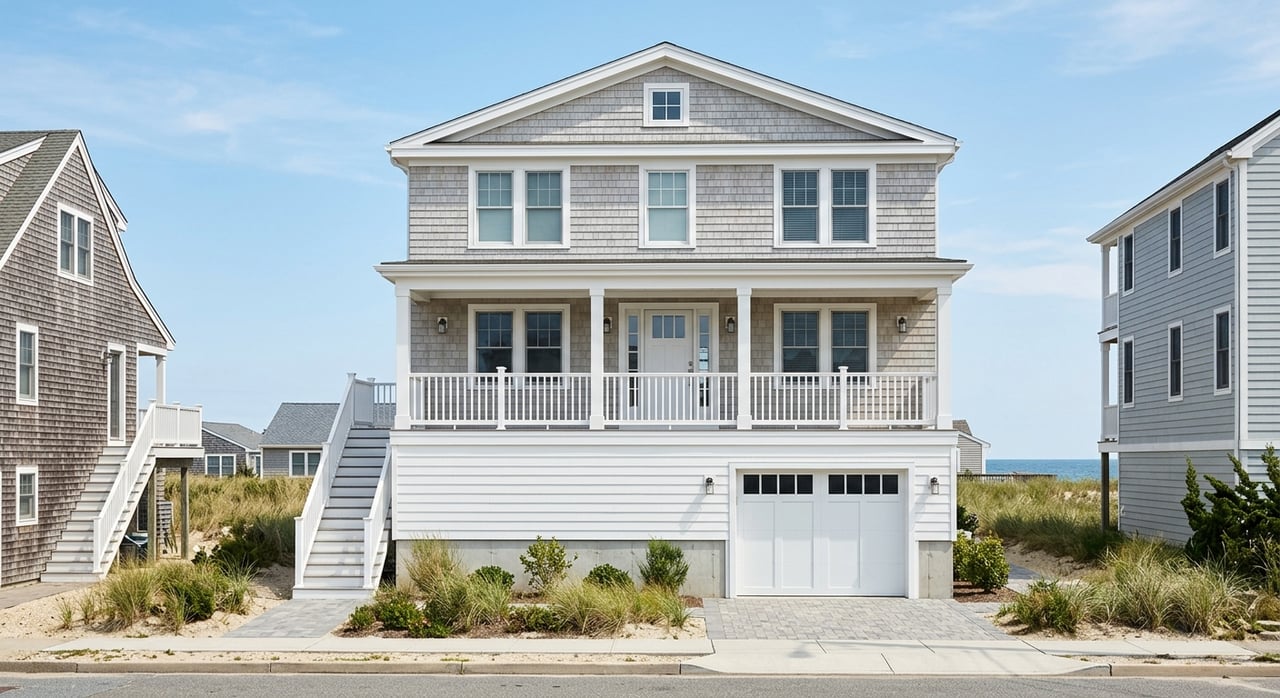
Current listing patterns suggest that beachblock and Boardwalk-adjacent areas often include condos, duplexes, townhomes, and seasonal-use properties. There are also single-family options, but the mix tends to lean toward homes designed to maximize location and access.
That variety creates a broad price range. Recent beachblock listings have included everything from a studio condo around $142,000 to new construction priced at $6.45 million, which shows just how much property type and exact placement can change the budget.
What Bayside Living Feels Like
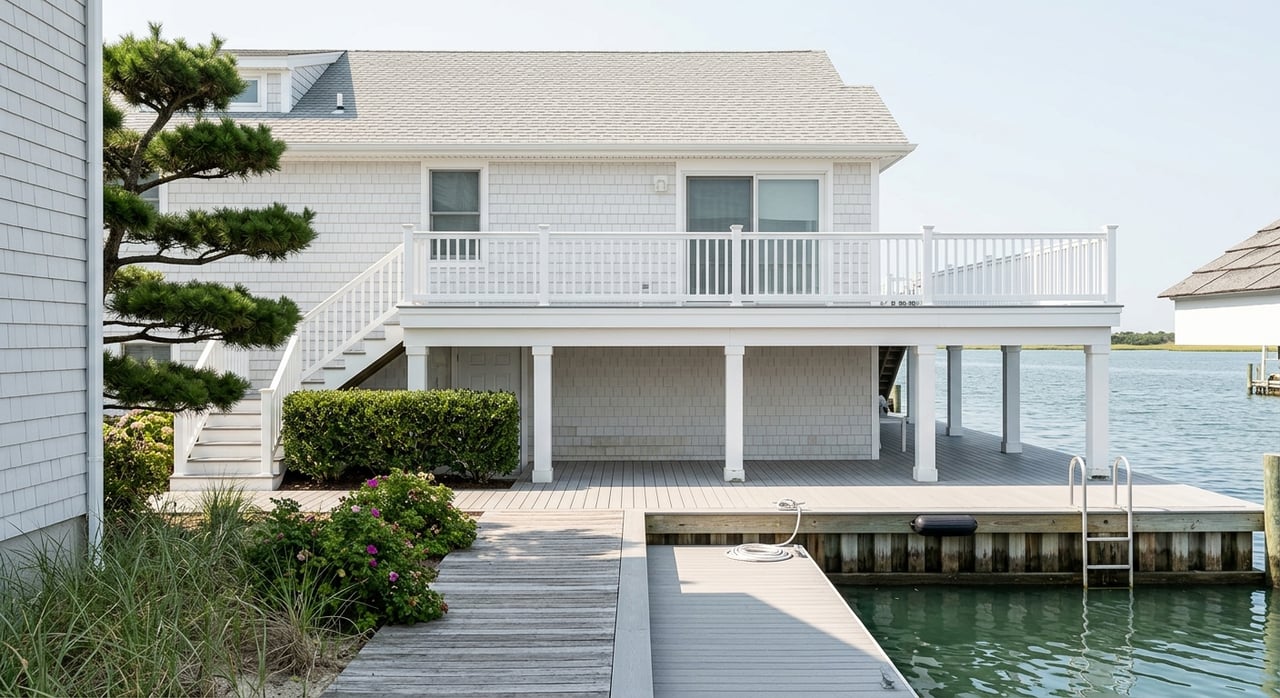
Bayside offers a different version of Ocean City living. Instead of centering your routine on the beach and Boardwalk, you are more likely to focus on boating, dock access, sunset views, and bayfront recreation.
The Bay and Marina District includes boat slips, fishing, jet ski rentals, dockside dining, and the Bayside Center. For buyers who want a water-oriented lifestyle with a calmer rhythm, bayside can feel like a better long-term fit.
Best Fit for Boating and Bay Views
If you care more about keeping a boat nearby than being steps from the beach, bayside deserves a close look. This side of the island often appeals to buyers who want the shore lifestyle without the same level of beach-area bustle.
It can also be attractive if you are focused on waterfront entertaining or custom-home potential. In many cases, the draw is less about sand and more about how you want to use the water.
Housing You Will Often See Bayside
Based on current listings and city land-use patterns, bayside areas tend to skew toward bayfront homes, custom builds, and marina-oriented properties. Many of these homes are positioned around views, outdoor living, and water access.
Pricing can rise quickly in this category. Zillow’s bayfront listing pages show many homes starting around $2 million, with larger homes and new builds climbing above $12 million.
Why the In-Between Option Matters
Not every buyer wants the energy of beachblock or the boating focus of bayside. That is where the in-between choice comes in.
Mid-island and Asbury-adjacent locations often appeal to buyers who want practical access to multiple parts of Ocean City. You may not be right on the sand or directly on the bay, but you can gain flexibility, convenience, and in some cases a different price point.
Asbury Avenue Adds Everyday Convenience
Downtown Asbury Avenue runs from 6th Street to 14th Street and is described locally as the midpoint between the beach and the bay. It includes more than 100 specialty shops and cafes, plus a mix of commercial, residential, and mixed-use buildings.
That makes this area especially useful if you want errands, dining, and daily needs woven into your routine. For some buyers, that balance matters more than being in the most tourist-driven part of town.
Price Differences by Area
Ocean City is a high-priced shore market overall, but location changes the pricing tier fast. As of spring 2026, Zillow reported a typical home value of $1,099,877 and a median sale price of $986,967, while Redfin reported a March 2026 median sale price of $1.2 million. Realtor.com listed the 08226 median listing price at $1.35 million.
Those numbers use different methods and timeframes, but they all point to the same takeaway. Ocean City offers a wide range of pricing, yet it remains an expensive market where proximity to the ocean, bayfront setting, and property style can all move the numbers quickly.
Neighborhood Pricing Snapshot
Realtor.com’s March 2026 neighborhood data gives a helpful look at how much location can matter:
- Central Ocean City: $949,900
- North End: $1,287,000
- South End: $1,525,000
- Historic Bay: $650,000
These figures are not a shortcut for pricing any one home, but they do show a clear pattern. Where you buy in Ocean City can change both your lifestyle and your budget in a big way.
Parking and Daily Logistics
Lifestyle is important, but daily logistics can shape your ownership experience just as much. In Ocean City, parking is one of the biggest practical differences between locations.
The city reports more than 2,800 spaces in Boardwalk and Downtown lots, plus 1,142 metered street spaces. Parking is free in the off-season from October 31 through May 1, while summer parking is managed through meters, paid lots, digital signs, and the Parking Spot Finder app.
What This Means Near the Beach
If you buy beachblock, you may gain a shorter walk to the sand, but that does not automatically mean easy car parking during peak season. This is especially important to think about if you expect frequent guests or plan to use the home heavily in summer.
For many buyers, parking is not a deal-breaker. It is just one more factor to weigh against the convenience of being close to the beach and Boardwalk.
Ongoing Beach Access Costs
There is also a recurring seasonal cost tied to beach use. Ocean City requires beach tags for beachgoers age 12 and older during the summer season.
The Beach Patrol also notes that the city has about eight miles of protected beaches, with lifeguards from Memorial Day weekend to mid-September. That adds real value for beach-focused buyers, but it is still smart to budget for the seasonal access costs that come with frequent use.
Which Location Fits Your Priorities?
The best choice depends less on what sounds best and more on how you want to live. If you start with your real habits instead of your idealized vacation picture, the answer usually becomes clearer.
Here is a simple way to think about it:
- Choose beachblock if you want the shortest walk to the beach, quick access to the Boardwalk, and the strongest vacation-style energy.
- Choose in-between if you want a balance of access, walkability, and day-to-day convenience, especially near Asbury Avenue.
- Choose bayside if you want boating access, bay views, and a more water-oriented lifestyle with a calmer feel.
A Smart Way to Narrow Your Search
Before you tour homes, write down your top three priorities. For example, your list might include walk-to-beach convenience, boating access, lower summer parking friction, or being close to shops and cafes.
Then compare every property against those priorities instead of comparing homes in a vacuum. This helps you stay focused, especially in a market where values, housing styles, and block-by-block tradeoffs can vary so much.
In Ocean City, two homes with similar square footage can offer very different ownership experiences depending on where they sit on the island. That is why local guidance matters. The right match is not just about price or photos. It is about finding the location that supports how you actually want to use the property.
If you are weighing beachblock against bayside, or trying to decide whether the in-between option gives you the best of both, working with a team that understands Ocean City block by block can make the process much clearer. When you are ready to start your shore search or talk through your options, connect with The Anchor Group.
FAQs
What does beachblock mean in Ocean City, NJ?
- In Ocean City, beachblock generally refers to properties very close to the beach and often near the Boardwalk, with strong appeal for buyers who want easy ocean access and a classic shore setting.
What does bayside mean in Ocean City, NJ?
- Bayside usually refers to properties closer to the bayfront and marina areas, where the lifestyle is more centered on boating, dock access, fishing, and bay views.
Is beachblock or bayside more expensive in Ocean City?
- Both can be expensive, but pricing depends heavily on the exact location and property type. Current bayfront listings often start around $2 million, while beachblock listings range from smaller condos to high-end new construction in the multi-million-dollar range.
Is the in-between area a good choice in Ocean City?
- Yes, the in-between or mid-island option can be a strong fit if you want a balance of beach access, everyday convenience, and proximity to Downtown Asbury Avenue.
What should buyers know about parking in Ocean City?
- Parking is a major practical factor, especially near the Boardwalk and beach in summer. Ocean City has more than 2,800 spaces in Boardwalk and Downtown lots, plus 1,142 metered street spaces, but seasonal demand can still affect convenience.
Do you need beach tags in Ocean City, NJ?
- Yes, beach tags are required during the summer season for beachgoers age 12 and older.