Planning to sell in Ocean City this spring? You are not alone. Many buyers start shopping early to be ready for summer, which means your home needs to shine long before beach season arrives. In this guide, you will get a simple, coastal-specific prep plan that helps you hit the market with confidence, avoid inspection surprises, and capture the strongest buyer interest. Let’s dive in.
Why spring timing matters
Spring is the prime selling season across the shore, and Ocean City is no exception. Buyers who want summer occupancy or rental potential start touring in early spring. If you can, list by late March to early April to meet that demand and maximize showings and open-house interest.
Weather plays a bigger role here than in inland markets. Calm, clear spring days showcase water, dunes, and outdoor spaces far better than gray, windy, or rainy days. Plan your exterior prep and photography around favorable weather so your listing launches with its best foot forward.
Exterior fixes for coastal wear
Coastal homes face salt, sand, wind, and humidity. Tackle these visible items first to boost buyer confidence and pass common inspection checks.
Combat salt corrosion
Salt accelerates metal wear. Touch up peeling exterior paint, especially on trim, railings, stairs, and hardware. Replace visibly corroded screws, bolts, and deck hardware with corrosion-resistant options. Many coastal owners use 316 stainless for longer life in salty air.
Decks, railings, and stairs
Inspect ledger connections, joists, stair treads, and railings for rot, loose fasteners, or corrosion. These are frequent inspection findings in Ocean City. Reinforce ledger connections, add or replace flashing, and repair any loose or wobbly railings to address safety and code concerns before buyers walk through.
Roof, flashing, and gutters
Look for wind lift, cracked or missing shingles, and failing seals around vents or flashing. Clean gutters and downspouts so they drain freely and direct water away from the foundation. Clear sand, seed pods, and debris that trap moisture and block flow.
Windows, doors, and sliders
Salt can make sliders stiff and tracks gritty. Clean and lubricate tracks and hinges, replace torn screens, and update damaged weather-stripping. Test multi-slide doors for smooth, quiet operation.
Exterior lighting and electrical
Swap corroded fixtures and covers, and confirm exterior GFCI outlets function and are labeled. Replace bulbs so nighttime curb appeal is consistent and welcoming.
Power washing and cleaning
Pressure wash siding, decks, walkways, and driveways to remove salt streaks and sand. Be gentle on older wood or stucco to avoid damage. A clean exterior helps buyers focus on the home, not the upkeep.
Protect curb appeal and photos
Photos do the heavy lifting online, especially for beach and bay properties.
- Calm-day photography. Schedule exterior and view shots on a clear, low-wind day. Blue skies and still water read beautifully in photos.
- Use the right light. East-facing homes usually photograph best in the morning. West-facing homes often look best in late afternoon. Midday can be helpful for water color in some settings.
- Update images close to market. For spring listings, refresh photos within 1 to 2 weeks of going live so budding vegetation, clean siding, and staged outdoor areas look current.
- Show seasonal features. Photograph pools, outdoor showers, decks, and beach access when clean, staged, and operable. Buyers want to see how they will live in the space.
Manage moisture and indoor air
A fresh, neutral-smelling interior is one of the fastest ways to build buyer confidence in a coastal home.
Mold, humidity, and air quality
Inspect for visible mold or water stains in bathrooms, kitchens, around windows, and in crawlspaces or basements. Remediate any visible mold and keep records if a professional handles it. Run dehumidifiers, service your HVAC, and replace filters so the home smells clean and the air feels dry during showings.
Plumbing and hot water
Test all faucets, toilets, and exterior hose bibs for leaks. Replace aging supply lines and aerators if they drip or look worn. Service or replace older hot water heaters and keep receipts. A tank leak is an avoidable deal killer.
Electrical and safety devices
Verify smoke and carbon monoxide detectors are present, functional, and up to code. Replace batteries now. Have a licensed electrician address any exposed corrosion on outdoor electrical components and fix known issues before buyers or inspectors flag them.
Flooring, walls, and cabinets
Salt and humidity can warp flooring and corrode cabinet hardware. Repair lifting boards, re-secure trim, and swap out pitted or rusted pulls and hinges. Deep clean or replace rugs and upholstery that hold sand or musty odors.
Seasonal gear and staging
Too much beach gear can make rooms feel small. Store extra chairs, umbrellas, boards, and kayaks off-site or neatly out of main sightlines. Keep coastal décor minimal and neutral. Clean and neutralize pet areas and disclose any pet-related repairs.
Get ahead of inspections
A pre-list inspection can save time and stress. In Ocean City, inspectors often zero in on coastal wear.
Common trouble spots
- Deck ledger connections and flashing defects
- Corroded fasteners and connectors on porches, stairs, and balconies
- Water intrusion at window and door sills, and through stucco or siding penetrations
- Roof shingle lift, missing flashing, or failing vent seals
- HVAC corrosion or weak performance
- Attic or roof ventilation issues that cause moisture buildup
- Evidence of wood-destroying organisms
- Faulty GFCI outlets or exterior corrosion
- Sump pump failures or poor drainage near the foundation
Smart pre-list checks
- Full home inspection by someone familiar with coastal properties
- Termite or wood-destroying organism inspection and treatment if needed
- Roof inspection if the roof shows wear or is 10 to 15 years old or older
- HVAC service, including filter, coil, refrigerant, and condensate line checks
- Optional sewer scope for older lines or investor-focused buyers
- Optional mold and moisture assessment if you have a history of water issues
Prepare flood and local documents
Coastal buyers often ask for more detail upfront. Having a clean packet ready speeds negotiations.
- Current FEMA flood zone information and any elevation certificate you have
- Flood insurance policy declarations (if applicable) and recent premium history
- Building permits and contractor invoices for decks, roofs, HVAC, electrical, or other significant work
- Recent utility bills to help buyers estimate operating costs
- Any HOA or municipal rules and assessment history if they apply
- Appliance and system warranties or manuals that will transfer
- If renting, your rental history, licenses, and a summary of relevant short-term rental rules
Be ready to complete New Jersey’s seller disclosures and clearly note any known flooding, prior claims, and mitigation work. Transparent documentation builds trust and can keep your sale on track.
Ocean City property and site details
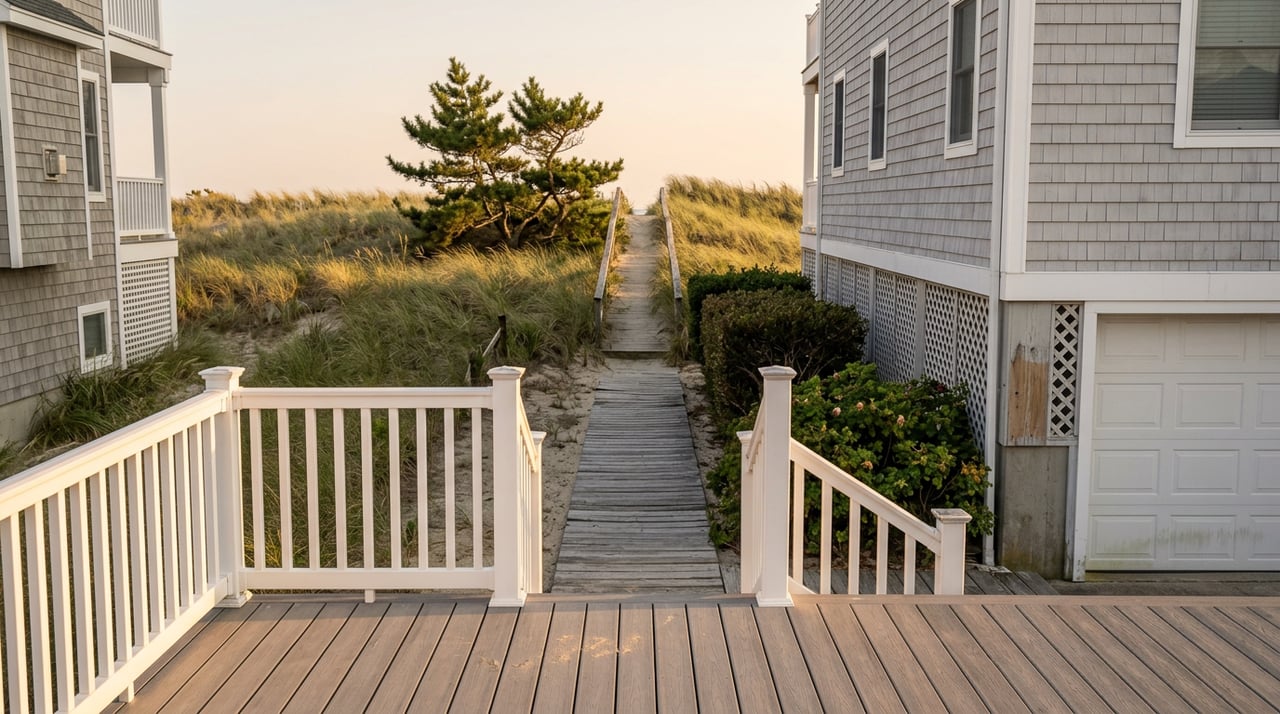
Ocean City properties often sit near dunes, beach paths, or bayfront docks. Keep these site items in good order and aligned with local rules.
- Maintain safe, clear beach or bay access paths and repair steps or walkways.
- Avoid major landscaping changes near dunes or protected zones without checking permit needs.
- Preserve native vegetation where required.
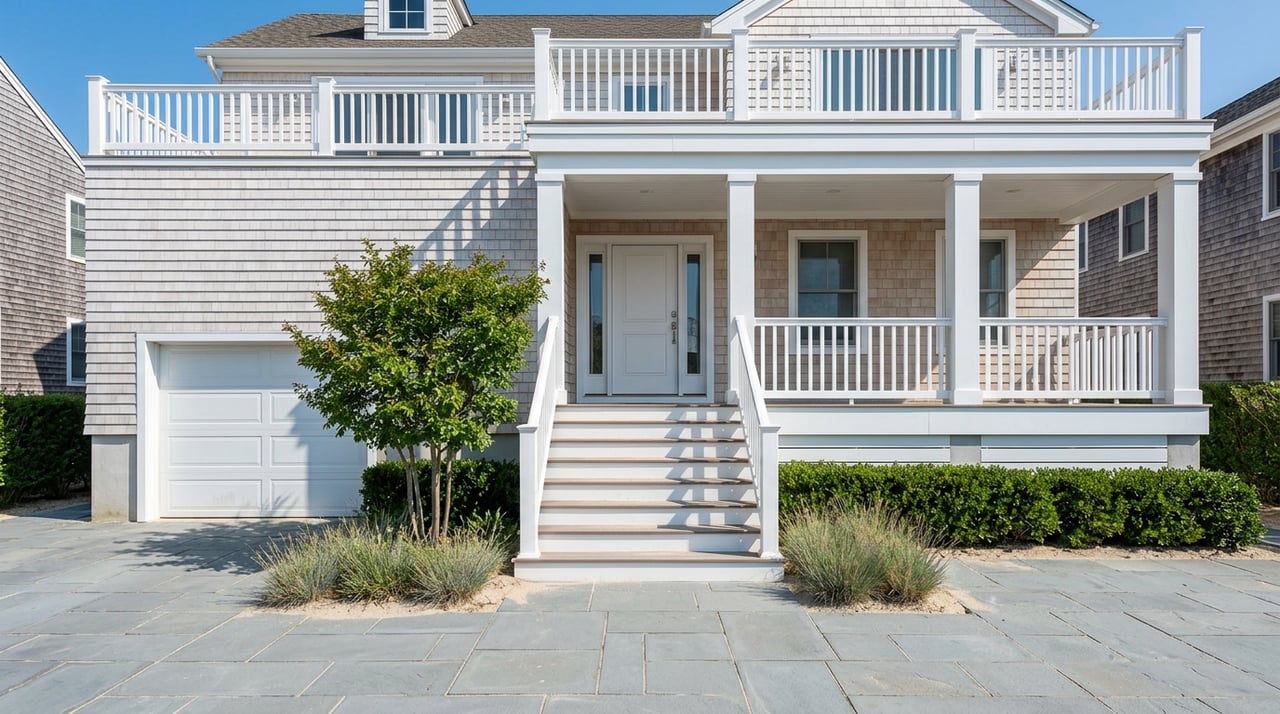
- Trim shrubs and trees to improve entrance visibility and sightlines where permitted.
Your 8-week pre-list timeline
Use this simple plan and adjust to your schedule.
6 to 8 weeks before listing
- Order a pre-list home inspection and termite inspection; get repair estimates.
- Gather flood maps, insurance documents, permits, and appliance manuals.
- Service HVAC and the hot water heater; schedule a roof inspection if needed.
- Start decluttering; move seasonal beach gear out of main living areas.
3 to 4 weeks before listing
- Complete priority repairs: deck and ledger fixes, paint touch-ups, corroded fastener replacements, and gutter repairs.
- Deep clean: carpets, upholstery, windows, screens, and slider tracks.
- Address odors, moisture, and any flooring repairs.
- Stage rooms for space and light; reduce personal photos and bold nautical décor.
1 to 2 weeks before listing
- Final curb appeal touch-ups: power wash, refresh beds, confirm exterior lighting works.
- Book professional photography for a calm, clear day with favorable light.
- Prepare your disclosure packet and property information for your agent.
- Do a last walk-through with your agent to fine-tune staging, pricing, and showing prep.
High-ROI priorities
- Safety first: secure loose railings and stairs.
- Stop active issues: fix leaks and remediate visible mold.
- Comfort matters: ensure HVAC cools and dehumidifies reliably.
- Clean sells: wash away salt and sand inside and out.
Pricing, presentation, and launch
In a spring market with motivated buyers, the best results come from aligning price, prep, and presentation. A polished listing with clear documentation and strong imagery can translate to more showings, cleaner offers, and fewer repair concessions. If you plan to continue renting, organize your rental history and policies so buyers can quickly evaluate income potential.
Next steps
If you want a smooth, efficient launch into the Ocean City spring market, partner with a team that understands coastal conditions, documentation, and high-end marketing. From valuation and staging strategy to trusted vendor referrals and video-driven exposure, The Anchor Group can help you prepare, price, and present with confidence.
FAQs
When should I list my Ocean City home for spring buyers?
- Late March to early April typically captures the surge of buyers planning for summer use or rental potential.
How should I time listing photos for a beach or bay property?
- Choose a calm, clear day and shoot in morning light for east-facing homes or late afternoon for west-facing homes, updating images within 1 to 2 weeks of listing.
What flood and insurance documents do Ocean City buyers expect?
- Provide your FEMA flood zone info, any elevation certificate, flood insurance declarations if applicable, and recent premium history.
What inspection issues are common in coastal homes near the shore?
- Inspectors often flag deck ledger connections, corroded fasteners, roof and flashing wear, moisture intrusion, GFCI problems, HVAC corrosion, and ventilation issues.
Should I get a pre-listing home inspection in a coastal market?
- Yes, a pre-list inspection helps you address coastal wear and typical trouble spots early, which can reduce surprises and speed negotiations.
How can I reduce musty odors before showings in a shore home?
- Run dehumidifiers, service HVAC, fix moisture sources, clean soft surfaces, and remediate any visible mold while keeping records of the work.