If you’re getting ready to sell in Ocean City, one question can feel bigger than it seems: should you leave the home furnished or clear it out first? In a shore market where many buyers are thinking about weekend use, summer rentals, or a quick start to ownership, that choice can affect how your property looks, feels, and competes. The good news is that there is no one-size-fits-all answer, and the right strategy usually becomes clear once you match your home to the most likely buyer. Let’s dive in.
Why this matters in Ocean City
Ocean City is not just any housing market. It is a seasonal shore market shaped by vacation homes, weekly rentals, and family stays, and the local visitor guide makes it clear that rental homes and condos are a standard lodging option.
That matters because many buyers here are already used to the idea of a property being functional from day one. They may not be looking at your home the same way a full-time buyer in another market would. Instead, they may be asking whether the property feels easy to enjoy, easy to rent, and easy to step into.
Presentation also matters more when buyers have options. In March 2026, Realtor.com described Ocean City as a buyer’s market, with a median of 48 days on market and homes selling about 2.93% below asking.
In that kind of environment, buyers can compare several listings before making a move. A home that shows clearly and photographs well has a better chance of making the short list.
Start with buyer appeal
Before you decide whether to sell furnished or unfurnished, it helps to focus on a simpler question: what will make your home feel easiest to buy? In a Bright MLS survey covering New Jersey and nearby Mid-Atlantic markets, 56.1% of prospective buyers said move-in-ready condition was important before they would even consider a purchase, and another 37.8% said it was somewhat important.
That lines up with what staging research shows. According to the 2025 Profile of Home Staging, 83% of buyers’ agents said staging made it easier for buyers to visualize the property as a future home, and 29% of sellers’ agents said staging led to a 1% to 10% increase in the dollar value offered.
So the real issue is not just furniture. It is whether the home feels clean, usable, and ready for the next owner.
When selling furnished makes sense
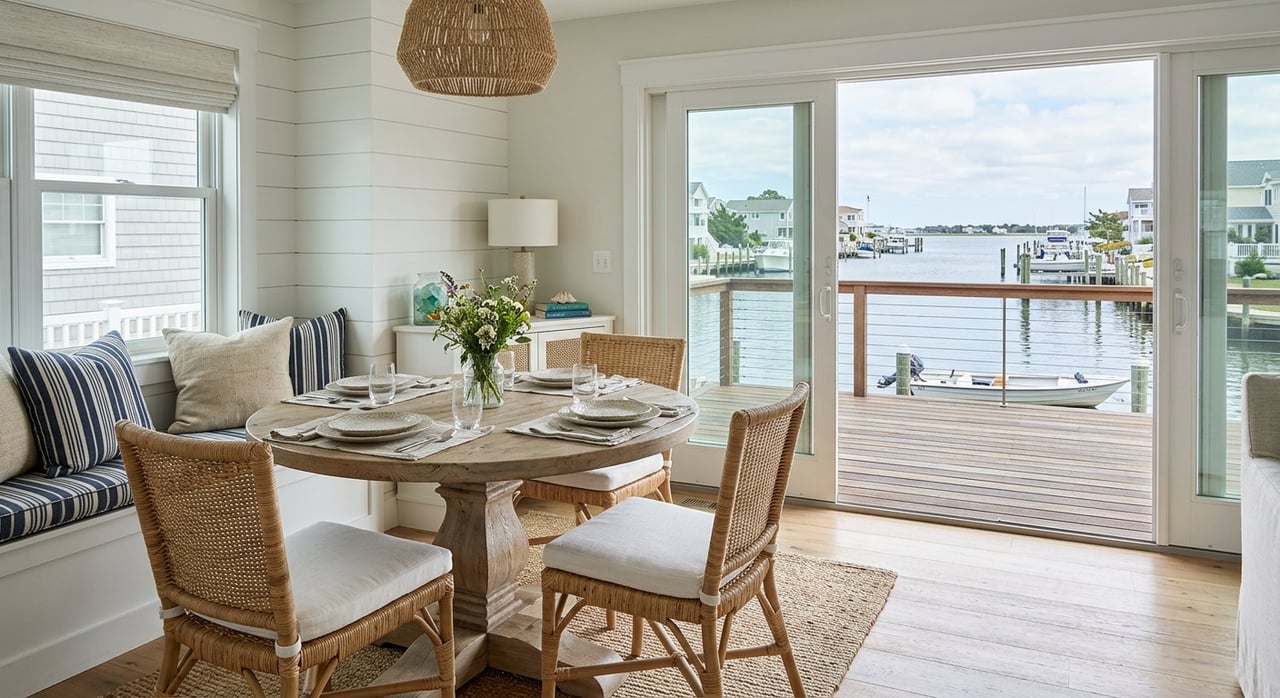
A furnished sale can work well in Ocean City, especially for second homes, condos, and properties that appeal to rental-minded buyers. If your furniture fits the space, looks current, and supports a coastal lifestyle, it can help buyers picture themselves using the property right away.
In some cases, furnished selling acts like built-in staging. Rooms feel finished, listing photos look more inviting, and buyers may see the home as a turnkey option for summer use or near-term rental income.
That advantage can be meaningful in a market where vacation-ready ownership is common. Buyers who want to close and start enjoying the property quickly may appreciate not having to furnish every room before the season begins.
Best fit for furnished sales
Selling furnished may be the better choice if your property checks several of these boxes:
- The furniture is clean, attractive, and scaled well to the rooms
- The style feels neutral or coastal rather than highly personal
- The home is used as a second home or rental property
- The likely buyer may value immediate use after closing
- The furnishings improve photos and in-person showings
If that sounds like your property, furnished could be a smart marketing advantage.
When unfurnished is the better move
An unfurnished sale is often the cleanest choice when the existing furniture does not help the home shine. Dated pieces, oversized sectionals, crowded bedrooms, worn fabrics, or mismatched styles can make buyers focus on the wrong things.
Removing furniture can also widen your appeal. Some buyers want a blank slate so they can picture their own style, especially if they plan to use the property differently than you did.
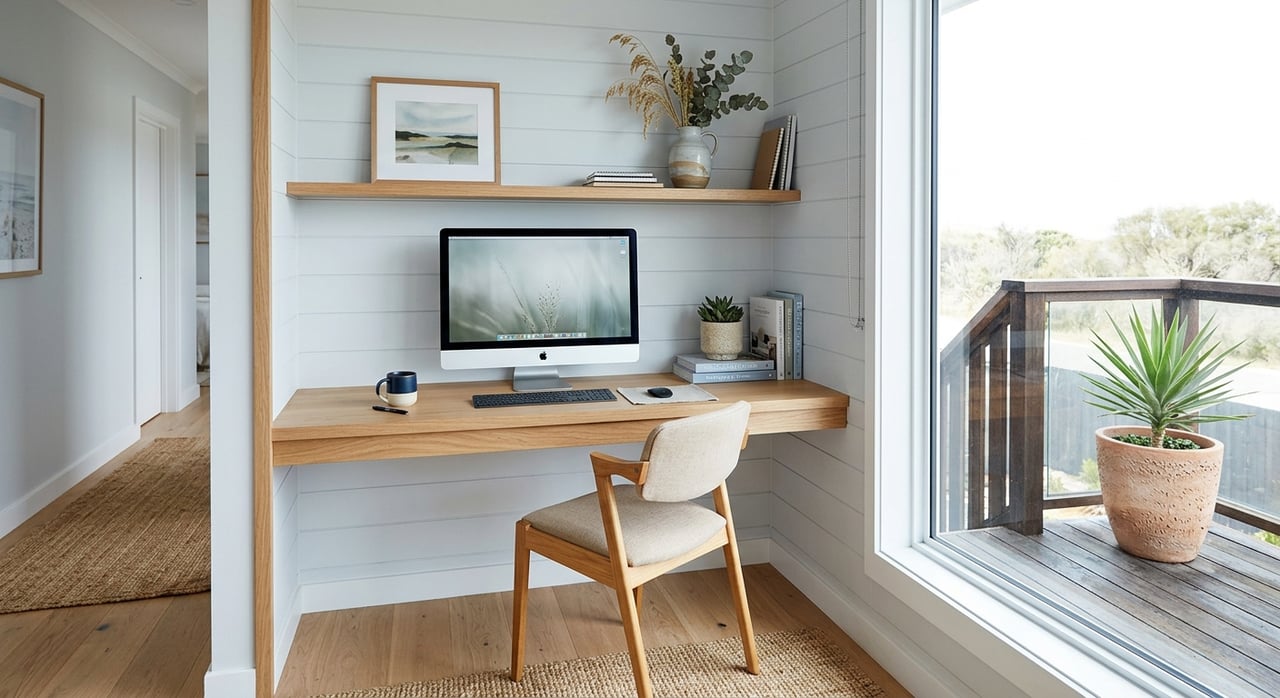
The tradeoff is that empty homes require more care in presentation. Without furniture, buyers rely even more on strong photography, layout clarity, and thoughtful staging to understand how the space works.
Best fit for unfurnished sales
Going unfurnished may make more sense if:
- The furniture feels dated or worn
- Rooms look smaller because of bulky pieces
- The design is highly personal or sentimental
- You want the broadest possible buyer pool
- The property is already vacant
If the home is vacant, intentional staging becomes even more important. Since buyers respond strongly to move-in-ready visuals, a fully empty property should still be presented with care.
Why partial furnishing is often the sweet spot
For many Ocean City sellers, the smartest answer is somewhere in the middle. A partially furnished approach can preserve the benefits of a finished, welcoming look without forcing every item into the deal.
This often works especially well for condos and second homes. You can leave the pieces that make practical sense, remove anything too personal, and create a cleaner, more flexible presentation.
Think of it as editing rather than deciding all or nothing. The goal is to keep what helps the home and remove what distracts from it.
Items that may make sense to keep
A partial-furnishing strategy often works best when you leave items that are:
- Built in or custom-sized for the property
- Useful for shore living
- Neutral in style and good in condition
- Helpful in defining the room’s use
- Appropriate for decks, bonus spaces, or compact bedrooms
At the same time, it usually makes sense to remove sentimental items, heavily used soft goods, extra décor, and anything that makes the home feel crowded.
Be clear about what stays
One of the biggest mistakes sellers make is waiting too long to decide what is included. If the contract language is vague, misunderstandings can happen quickly.
That is especially important in New Jersey, where the distinction between fixtures and personal property matters. The New Jersey assessor handbook explains that a fixture starts as personal property but becomes part of the real estate after being attached to the land or structure, while chattels are usually treated as personal property.
In plain terms, some items stay with the home automatically, while others do not. That is why you want a clear list before the property goes live.
A simple pre-listing checklist
Before you list, take time to do the following:
- Make a room-by-room inventory of what stays and what goes
- Photograph items that have meaningful value
- Flag any pieces you may want to sell separately
- Identify built-ins, custom items, and attached fixtures
- Remove exclusions before photography if possible
- Review any addendum or bill of sale with your agent, attorney, and title company
Specificity protects everyone. It also makes negotiations smoother once offers start coming in.
Should furniture be included in the sale price?
Not always. Realtor.com notes that when furniture is part of a deal, sellers commonly negotiate the furnishings separately from the real estate price and document them with a bill of sale.
That approach can make sense if the furniture has real value or if only certain pieces are being transferred. It can also reduce confusion about what the buyer is paying for.
If you are considering this route, the key is simple documentation. Clear terms help prevent last-minute friction and make closing easier.
How to make the right choice
The best decision usually comes down to three factors: your likely buyer, the condition of the furniture, and how you want the property to compete online and in person. In Ocean City, where photos, video, and first impressions carry real weight, presentation should lead the strategy.
If your furnishings make the home feel bright, easy, and ready to use, keep that option on the table. If they make the property feel dated or crowded, you may be better off removing them and using staging to sharpen the look.
And if you are stuck between the two, partial furnishing is often the most flexible path. It gives buyers enough context to connect with the home while keeping the deal cleaner and more adaptable.
Local strategy matters
Selling at the shore comes with a different set of considerations than selling in a typical year-round market. Ocean City attracts second-home buyers, seasonal owners, and investors, and each group may view furniture through a different lens.
That is why a tailored plan matters. You want your pricing, presentation, photos, and inclusion list to match how the most likely buyer will see the property.
A thoughtful local strategy can help you avoid common mistakes and make your home feel easier to say yes to. If you’re thinking about selling in Ocean City and want a plan built around your home, your buyer pool, and your goals, connect with The Anchor Group.
FAQs
Should you sell a vacation home furnished in Ocean City?
- It can make sense if the furniture is attractive, neutral, and ready for immediate use, especially for second-home or rental-oriented buyers.
Is it better to sell an Ocean City condo empty or staged?
- If the condo is empty, intentional staging can help buyers visualize the layout and make the property feel more move-in ready.
What items stay with a home sale in New Jersey?
- Items treated as fixtures generally stay with the property, while personal property does not, so you should clearly identify what is included before listing.
Can furniture be sold separately from the house in Ocean City?
- Yes, furniture is often negotiated separately from the real estate price and documented with a bill of sale.
What is the best option for selling a shore home with older furniture?
- If the furniture looks dated, worn, or too personal, removing it and focusing on strong staging and marketing is often the better choice.