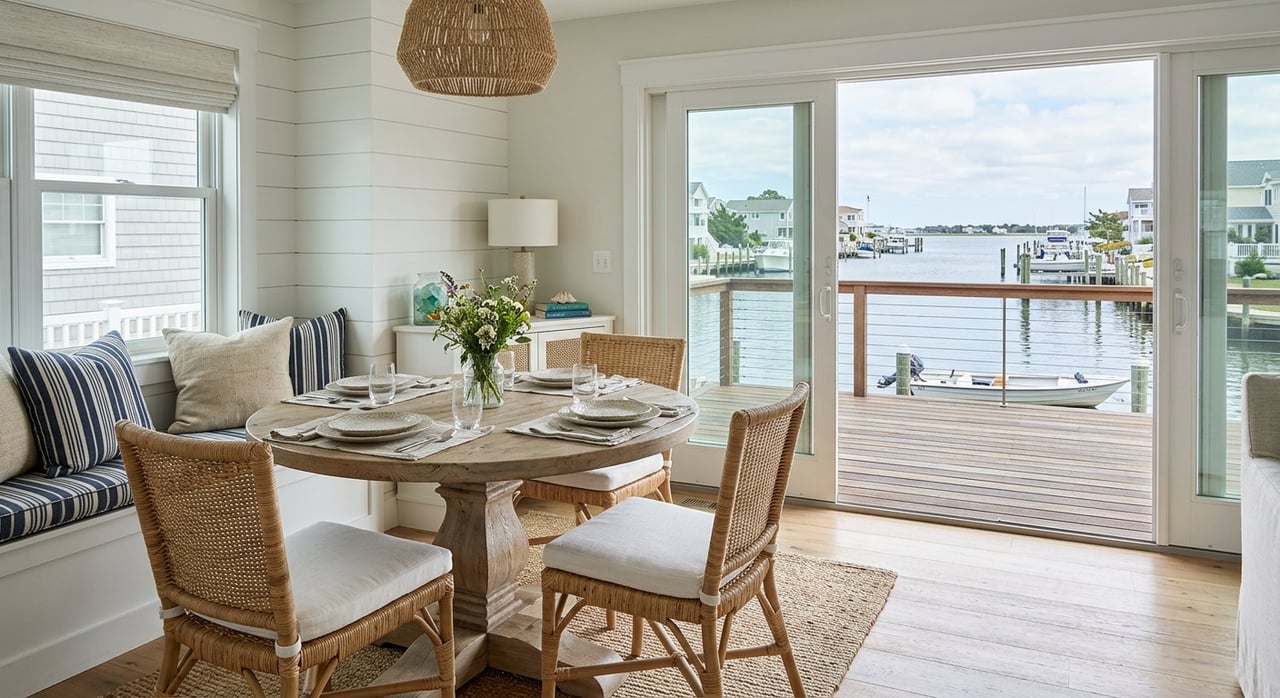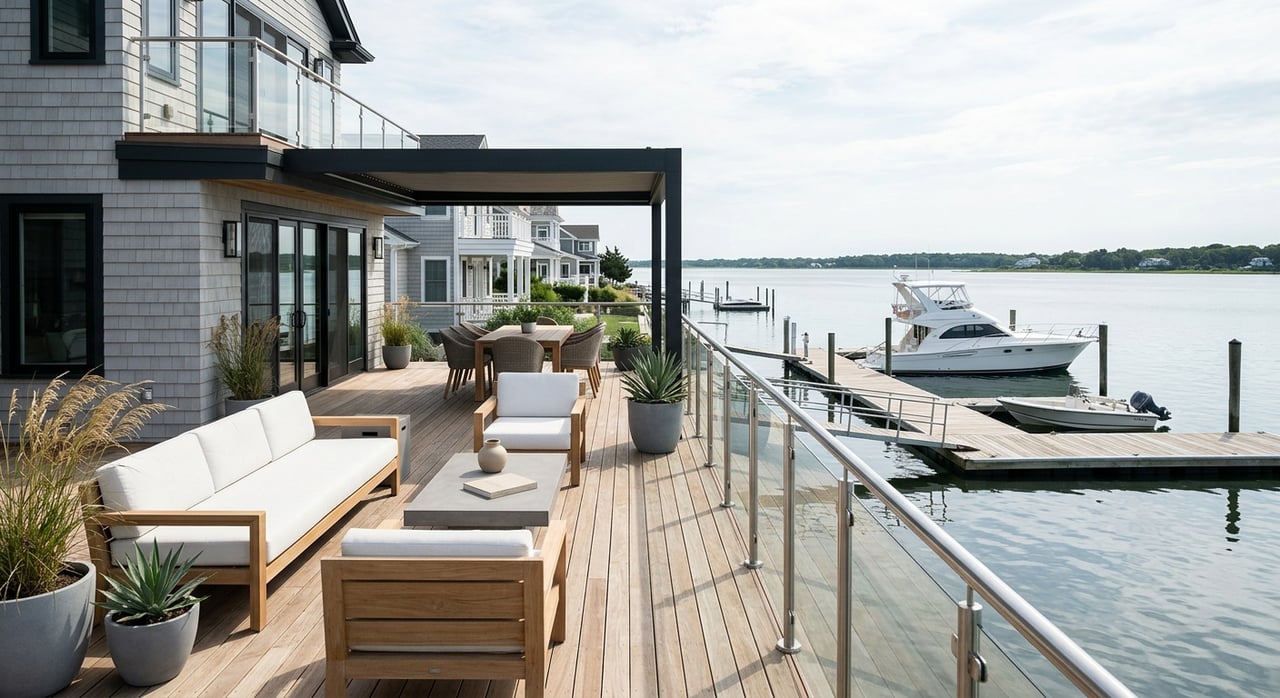
Buying your first shore place in Ocean City feels exciting, but the process is not the same as buying a typical inland home. You are weighing seasonality, rentals, flood zones, and HOA rules on top of the usual steps. With the right plan, you can protect your budget and enjoy the beach sooner. This guide shows you how Ocean City deals differ and how to move forward with confidence. Let’s dive in.
How the market differs
Ocean City follows a seasonal cycle. Peak demand runs May through September, when buyers want summer access and popular locations can see more competition. If you plan to enjoy the coming season, you may need to act earlier in late winter or early spring.
The off-season, from late fall through early spring, often brings lower buyer traffic and more negotiating room. Many sellers list in spring to meet seasonal demand, while some list off-season to target investors. Your strategy should match your goal, whether it is best price or beach days this year.
Location drives pricing more than in many inland areas. Oceanfront, boardwalk, and bayfront homes carry premiums for views and access. Condos and multi-unit buildings make up a large share of inventory, so understanding HOA rules and fees is key.
Property types and furnishings
Common Ocean City homes
You will see oceanfront condos, low- and mid-rise buildings, single-family homes, townhomes, and older multi-unit properties. Building age and construction vary widely. Some homes predate modern coastal codes, so plan for inspections focused on moisture, structure, and wind resistance.
Furnished vs. unfurnished
Many smaller condos and rental-friendly units sell furnished and ready to rent. Furnished homes are convenient and can start generating income faster, but furniture can affect appraisals and insurance. Unfurnished homes may sell for a bit less and give you a clean slate.
Before you commit, request an itemized inventory of what stays and take condition photos. Make sure the purchase contract clearly states what is included.
Condos and HOA documents
Condo and HOA due diligence matters more at the shore. Associations face higher wear and repair costs from salt, wind, and heavy summer use. Review these items during your contingency window:
- Declaration, bylaws, and master deed
- Current budget, operating statements, and recent audit
- Reserve study and any planned or recent special assessments
- Master insurance declarations and what owners must insure with an HO-6
- Rules and regulations, meeting minutes, pet and parking policies, and rental rules
- Elevator maintenance plans, building repair history, and management contracts
Look for healthy reserves and a plan for big-ticket items like roofs, siding, and elevators. If you need financing, your lender will also review project insurance and financials.
Rentals and local rules
Plan your rental strategy
Many buyers offset costs with summer rentals or mix personal use with seasonal bookings. Short-term rentals can command higher weekly rates, but they come with stricter rules and added costs. Long-term rentals often have less regulatory overhead but usually produce lower gross income.
Registration and taxes
Shore towns typically require rental registration, safety inspections, working smoke and CO detectors, and a local contact. Municipalities may also impose transient or occupancy taxes on short-term stays. Ocean City uses local ordinances and procedures, which can change, so verify current registration steps, inspection timing, and any local taxes before you buy.
Condo rental restrictions
Many associations set minimum stay lengths, limit frequency, or require HOA registration for rentals. Some buildings prohibit short-term rentals. Confirm the HOA’s rules early. These policies directly affect your income plan.
Management and costs
If you will not be on the island, budget for professional property management. Fees vary by service level and can include booking, cleaning, and maintenance. Plan for higher turnover costs in peak season and upkeep in the shoulder months.
Financing and insurance
Occupancy classification
Your loan terms depend on how you will use the home:
- Primary residence loans typically have the best rates and lower down payments.
- Second-home loans allow part-time use and often require more down and reserves.
- Investment-property loans generally need higher down payments and carry higher rates.
Lenders evaluate frequency of use, potential rental income, the building’s insurance, and HOA financials. Flood zone location can add requirements like elevation certificates and flood insurance.
Flood and wind coverage
Standard homeowners policies do not cover flood damage. If the home is in a FEMA Special Flood Hazard Area or if your lender requires it, you will need flood insurance through the NFIP or a private carrier. Coastal policies often include wind or hurricane endorsements and percentage deductibles.
Ask about elevation certificates, wind mitigation inspections, and coverage details for salt-air wear. Confirm replacement cost coverage and exclusions for systems like HVAC and appliances.
Lender and project approvals
Condo lending can be more complex. A weak master policy, low reserves, or many investor-owned units can limit financing options. Work with a lender familiar with Ocean City properties early, and verify your target building’s eligibility.
Taxes, disclosures, and title
Property taxes include Cape May County assessments and Ocean City municipal rates. Some properties may have special assessments or improvement charges, so review prior tax bills. If you offer short-term rentals, plan for any transient or local occupancy taxes, separate from property taxes.
New Jersey sellers provide residential disclosures. You should also confirm any required local flood or rental registrations. Always check for clear title and any outstanding HOA assessments or municipal liens that could transfer with the property.
Utilities and coastal upkeep
Coastal maintenance basics
Salt air speeds corrosion, and humidity raises mold risk. Expect shorter lifespans for exterior metals and more frequent painting and sealing. Use corrosion-resistant materials and keep up with deck, railing, and fastener inspections.
Storm and flood risk
Review flood maps and any elevation certificates. Understand how dunes, seawalls, or bulkheads are maintained and permitted. Beach nourishment or state and federal coastal projects can change local risk profiles over time.
Seasonal operations
Many shore homes are winterized when vacant. Plan for shutoffs, drained lines, and careful HVAC settings. When you de-winterize, schedule utility restarts, trash service, and any rental turnover needs.
Budget and contractors
Budget more for maintenance than you would inland, and build reserves for coastal wear. For condos, review the reserve study and ask about the likelihood of special assessments. Contractor demand spikes in spring and summer, so line up help early.
Smart timeline for shore buyers
Use this checklist to stay on track.
Pre-offer
- Get seller-provided HOA documents, financials, minutes, and rental rules
- Confirm flood zone status and request an elevation certificate if available
- Ask for 12 to 36 months of rental income and expense records, if applicable
- Secure a pre-approval with a lender experienced in Ocean City
- Price out wind and flood insurance and coastal deductibles
- Book a coastal-savvy home inspection and gather contractor estimates for common repairs
- For condos, verify lender acceptance for the building
- Confirm Ocean City rental registration steps and any occupancy taxes
Under contract
- Complete HOA document review within your contingency period
- Order flood insurance quotes and finalize mortgage terms
- Obtain building reports for elevators, roofs, and structure if multi-unit
- Confirm utility transfers, trash schedules, and parking assignments
- Get property management quotes if you plan to rent
Make Ocean City work for you
Buying at the shore is different, but it does not have to be hard. When you align your timing, review HOA and rental rules, and plan for flood and wind insurance, you reduce risk and set yourself up for a smooth first season. If you want a local team that pairs coastal know-how with patient, end-to-end guidance, connect with The Anchor Group to Get a Free Home Valuation or Start Your Shore Search.
FAQs
Can you rent an Ocean City home as a first-time shore buyer?
- Often yes, but you must follow Ocean City’s rental registration and safety rules, confirm any transient occupancy taxes, and check your HOA’s rental policy.
Do you need flood insurance in Ocean City?
- If the home is in a FEMA Special Flood Hazard Area or your lender requires it, you will need flood insurance, and it is often wise near the coast even outside mapped zones.
Is buying furnished in Ocean City a good idea?
- It can be if you want immediate rental potential, but request an inventory list, confirm what conveys in the contract, and consider appraisal and insurance implications.
When is the best time to buy in Ocean City?
- Off-season can offer less competition and more leverage, while late winter and spring favor buyers who want the home ready for the coming summer.
How do HOA rules affect short-term rentals in Ocean City condos?
- HOAs may set minimum stays, cap frequency, require registration, or ban short-term rentals, so review rules and meeting minutes before you make an offer.