Trying to make sense of an Ocean City MLS listing can feel easy at first, until a few local details change everything. A home that looks perfect on paper may have very different value once you factor in parking, flood exposure, rental registration, or whether that roof deck is actually a major plus. If you want to shop smarter and avoid surprises, learning how locals read a listing gives you a real edge. Let’s dive in.
Start With the Status Line
Before you look at photos or finishes, check the listing status. In many cases, a property that appears available may already be under contract, collecting backup offers, or temporarily off the market. Broad status terms like active, contingent, deal pending, back on market, expired, and withdrawn can signal very different stages in the sales process.
That matters in Ocean City, where well-priced properties can move quickly. If a listing catches your eye, the status line tells you whether it is time to schedule a showing, ask about backup options, or keep watching for changes. It is one of the fastest ways to avoid wasting time on a property that is not truly available.
Learn the Common MLS Shorthand
MLS listings often use abbreviations to save space. You may see terms like BR and BA for bedrooms and bathrooms, Sqft for square footage, YrBuilt for year built, PK for parking, F for furnished, DDPK for deeded parking, and W/D for washer and dryer.
These shortcuts are helpful, but they are not always perfectly consistent from one listing to another. In Ocean City, that means you should treat abbreviations as a starting point, not the final word. The listing remarks and follow-up questions often give you the real story.
Read Parking Details Carefully
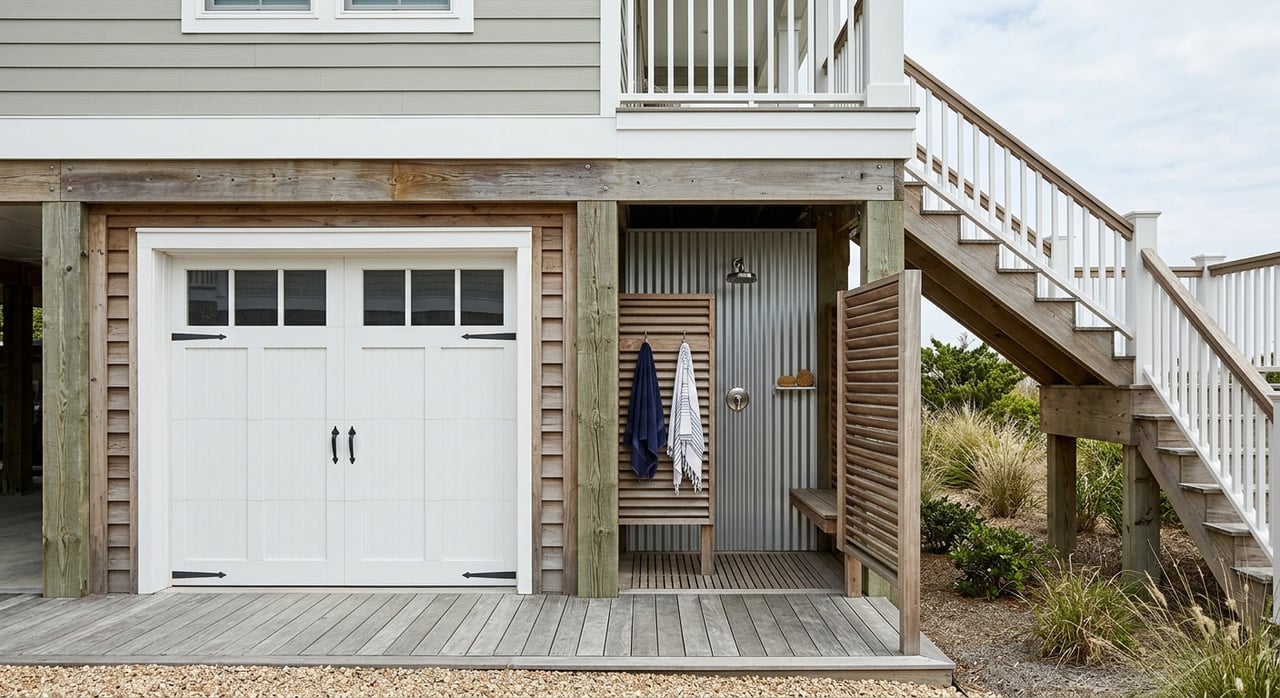
In Ocean City, parking is not a minor feature. It is one of the first things locals look at because parking can shape daily convenience, rental appeal, and long-term value. A listing that simply says garage or off-street parking does not always tell you enough.
The city has a large municipal parking system, including Boardwalk and Downtown lots and metered street spaces, with seasonal rules that change during the year. Some areas near the beach rely on app-based payment, and some lots are reserved for hourly or overnight parking. Because public parking exists but can be limited by location and season, private on-site parking can carry extra weight.
What parking words can mean
When you read an Ocean City listing, pay close attention to terms like:
- Deeded parking
- Assigned parking
- Off-street parking
- Garage
- Alley access
- No rear yard access
These details matter because Ocean City code handles parking differently depending on the lot type. Lots with alleys, waterfront lots, beachfront lots, and lots without rear-yard access may all have different practical limitations. A listing promise about parking should be matched against the actual site layout whenever possible.
Questions to ask about parking
If the property looks promising, ask:
- Is the parking deeded, assigned, or just nearby municipal parking?
- Can a full-size vehicle fit?
- Is there room for bikes, beach gear, or a trailer if needed?
- Does the lot layout affect how easy it is to enter or exit?
Treat Outdoor Space as a Key Feature
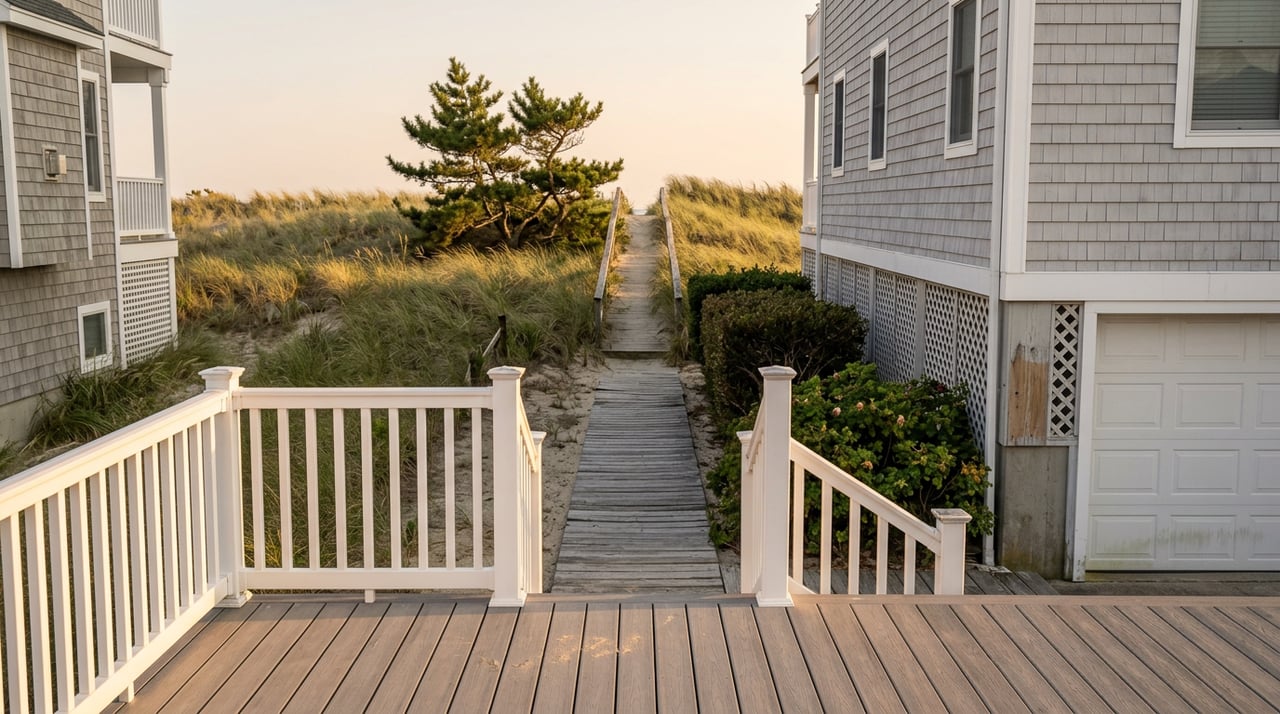
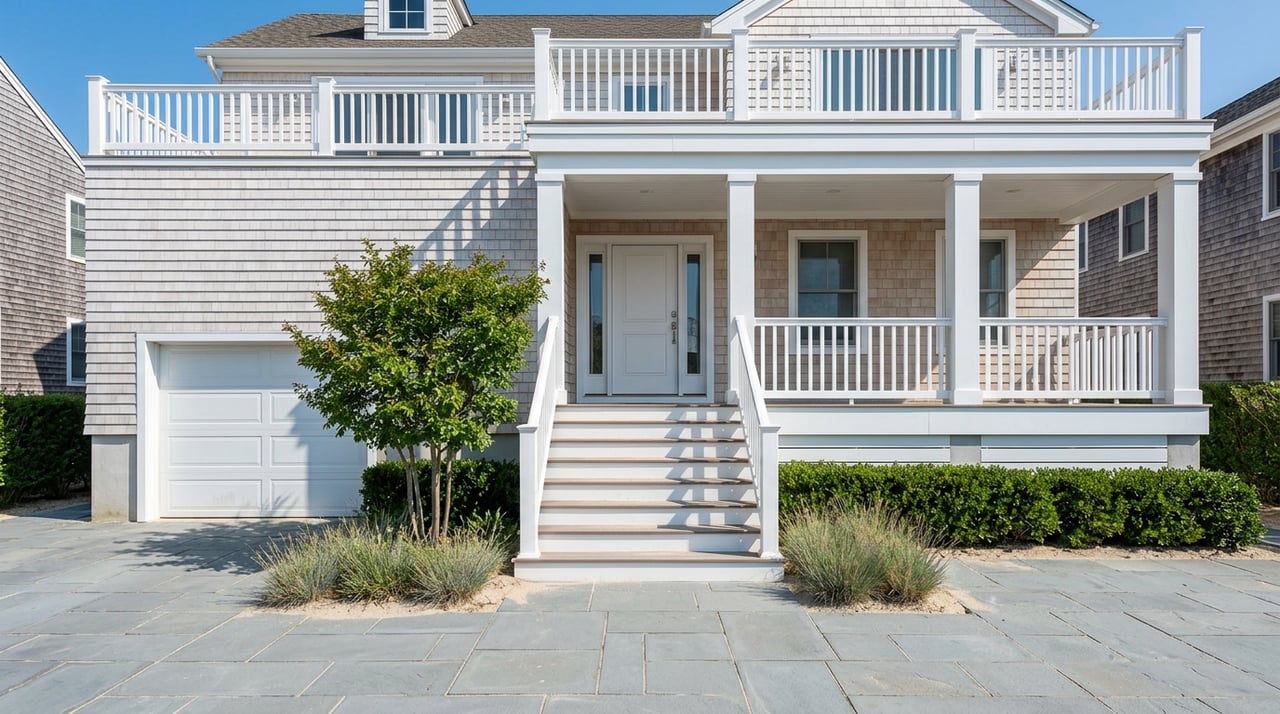
At the shore, outdoor space often matters almost as much as the interior. A front porch, rear deck, roof deck, patio, or bulkhead area can make a property feel much more usable, especially for summer living and entertaining. In Ocean City, these features are not just lifestyle perks. They can also raise important questions about placement, permitting, and compliance.
Ocean City regulates decks, porches, roof decks, and setbacks, including special rules for certain waterfront and oceanfront conditions. So when a listing highlights a roof deck or bay-facing porch, that is your cue to ask more. A great outdoor setup can be a major advantage, but you want to know that the improvement fits the property properly.
Outdoor features worth a closer look
Local buyers often focus on:
- Roof decks
- Covered front porches
- Rear patios
- Bayfront or lagoon-front outdoor areas
- Bulkhead access
- Dock or slip potential
If a home sits near the bay or lagoon, outdoor space may connect directly to water access and flood considerations. Those pieces should be reviewed together, not one at a time.
Understand Location Words Like a Local
Certain location terms carry extra meaning in Ocean City. Words like oceanfront, bayfront, and lagoon-front do more than describe the view. They can affect how you think about access, flood exposure, boating potential, and how the property functions day to day.
Bayfront and lagoon areas are heavily residential, and many properties may have docks or slips. At the same time, public bayfront access is limited in many places. If a listing promotes bayfront or lagoon-front living, you should look beyond the photos and ask how the water access actually works for that property.
Do Not Skip Rental and Condo Details
For many buyers, especially second-home owners and investors, rental potential is a major part of the decision. In Ocean City, that means the fine print matters. The city requires a mercantile license, also called rental registration, for residential rental properties.
There are also inspection certification requirements related to smoke detectors, carbon monoxide alarms, and portable fire extinguishers in certain residential situations, including for sale or transfer of title of one- and two-family dwellings and for individually owned condo units in multiple dwellings. So if you are buying with future rentals in mind, or even just comparing condo options, the MLS listing alone is not enough.
What to confirm with condo listings
A condo listing may look simple, but buyers should confirm:
- HOA fees
- Rental minimums
- Pet rules
- Parking assignments
- Any special assessments
- Whether the unit is rentable under current rules
- Whether any required registration or inspection timing could affect use
Marketing remarks can be helpful, but condo documents give you the fuller picture. That is especially true in a market where rental readiness can influence both enjoyment and income potential.
Watch for Flood and Elevation Clues
Ocean City is a barrier-island market, so flood risk and elevation should never be treated as side notes. The city states that homeowner’s insurance does not cover flood losses, and flood insurance rates can depend in part on the lowest floor elevation. Ocean City also participates in the Community Rating System, which can reduce premiums.
That makes flood-related language in a listing especially important. If you see phrases like raised living space, flood compliance, or elevation certificate, read them as prompts for deeper questions. Those terms may be helpful, but you should always ask for the supporting documents.
Listing clues that deserve follow-up
If an Ocean City MLS listing mentions any of the following, ask for details:
- Elevation certificate
- Raised living area
- Flood-compliant improvements
- Recent major renovation
- New mechanical systems
- Rebuilt decks or porches
Ocean City keeps elevation certificates for buildings constructed or substantially improved since 1991, but the city also notes that it does not guarantee the contents. That is why document review matters.
Pay Attention to Renovation History
Older shore homes can be full of charm, but updates matter in a very practical way. Ocean City’s substantial-improvement rules say that if repairs or upgrades exceed 50% of a home’s pre-damage market value, the property may need to be brought into compliance with the flood-damage prevention ordinance. That can include elevation requirements.
What surprises many buyers is how many items can count toward that threshold. Attached decks, porches, windows, doors, roofing, HVAC, and other systems may all be part of the calculation. So if a listing celebrates extensive renovations, that is usually a reason to ask for permits, records, and timing.
Check for Historic District Issues
If you are considering an older cottage or a renovated historic home, there is one more layer to review. Ocean City created its Historic District in 1992, and certain demolition, new construction, or rehabilitation work within the district requires Historic Preservation Commission approval.
That does not mean historic-district homes are a problem. It simply means the age and appearance of a property are only part of the story. You also want to know whether visible updates were approved and documented.
Use a Local Reading Strategy
If you want to read an Ocean City MLS listing like a local, focus less on the marketing adjectives and more on the details that affect ownership. Granite countertops and pretty staging are easy to spot. Parking, flood exposure, rental registration, outdoor compliance, and renovation records are where the real decision-making happens.
A smart way to review each listing is to move through it in this order:
- Check the status
- Decode the abbreviations
- Review parking
- Study outdoor space
- Confirm location context
- Check condo or rental rules
- Look for flood and elevation clues
- Ask for permits and renovation records
- Verify whether the property is in the Historic District
That approach helps you compare properties more clearly and spot follow-up questions before you fall in love with the photos.
If you are buying in Ocean City, local context can change how a listing should be read from the very first line. The right guidance can help you separate true value from vague marketing and move forward with more confidence. When you are ready to start your shore search or get advice on a specific property, connect with The Anchor Group.
FAQs
How should you read the status on an Ocean City MLS listing?
- Start with the status line before anything else, because terms like contingent, pending, back on market, or temporarily off market can signal that a property is not fully available.
Why does parking matter so much in Ocean City real estate listings?
- Parking matters because Ocean City has seasonal parking rules, public lots, metered areas, and lot-specific code considerations, so private parking details can affect convenience and value in a big way.
What should you ask about an Ocean City condo listing?
- Ask about HOA fees, rental minimums, pet rules, parking assignments, special assessments, and whether the unit is currently rentable under local requirements.
What flood-related details matter in an Ocean City home listing?
- Watch for mentions of elevation certificates, raised living space, flood compliance, and major renovations, then ask for the underlying documents to understand flood exposure and insurance implications.
Why do decks and roof decks need extra review in Ocean City?
- Decks, porches, and roof decks deserve extra attention because Ocean City regulates these features through local code, including setback rules that can affect how improvements were built and used.
What should you know about Historic District homes in Ocean City?
- If a property is in Ocean City’s Historic District, certain demolition, construction, or rehabilitation work may require Historic Preservation Commission approval, so documented updates are important to confirm.