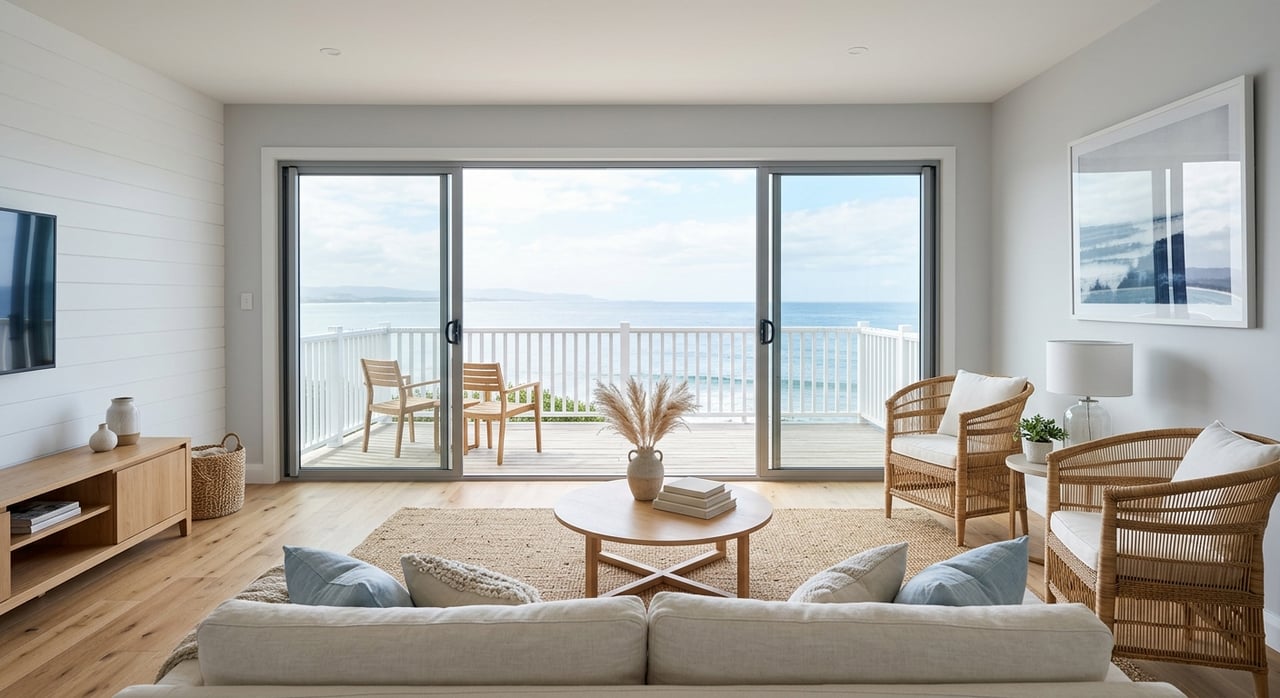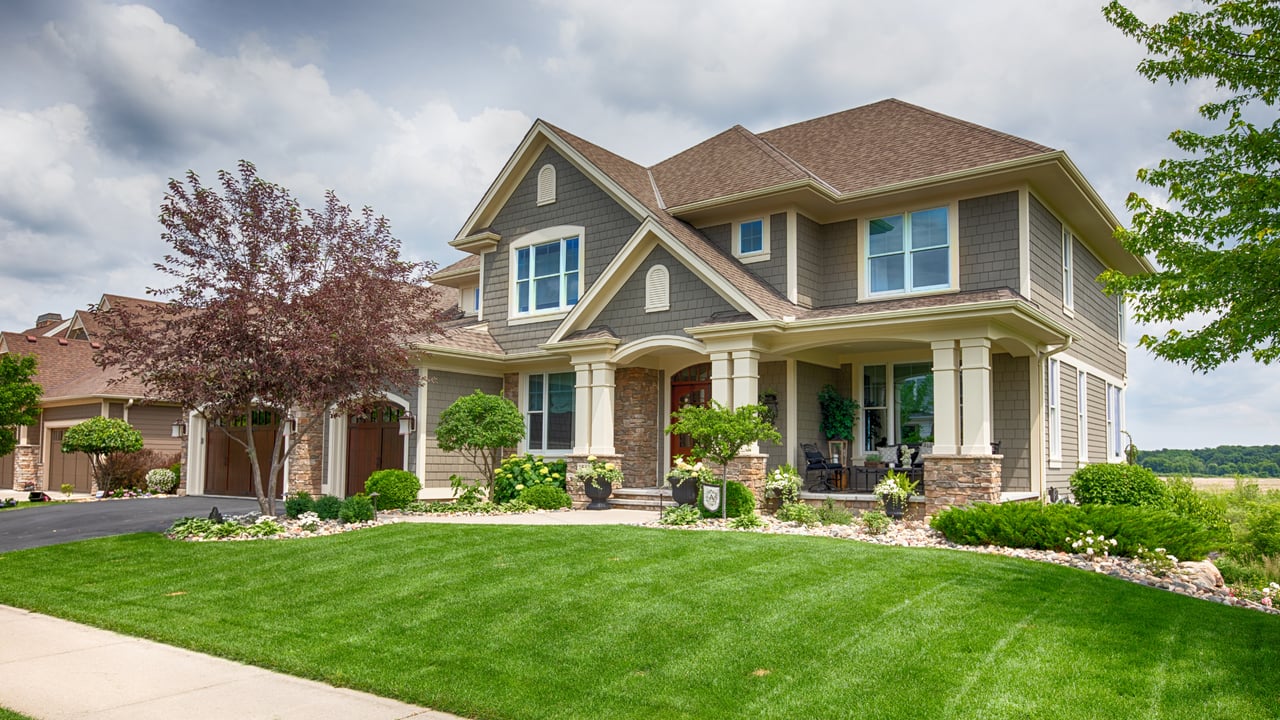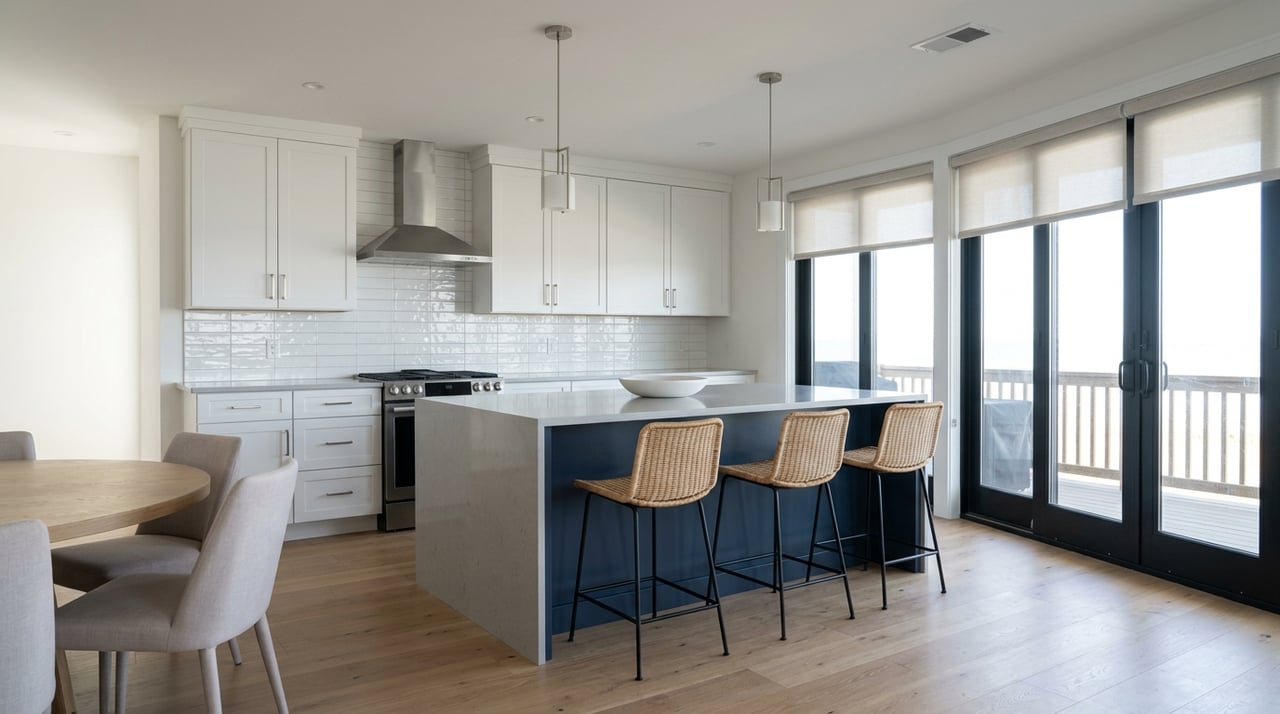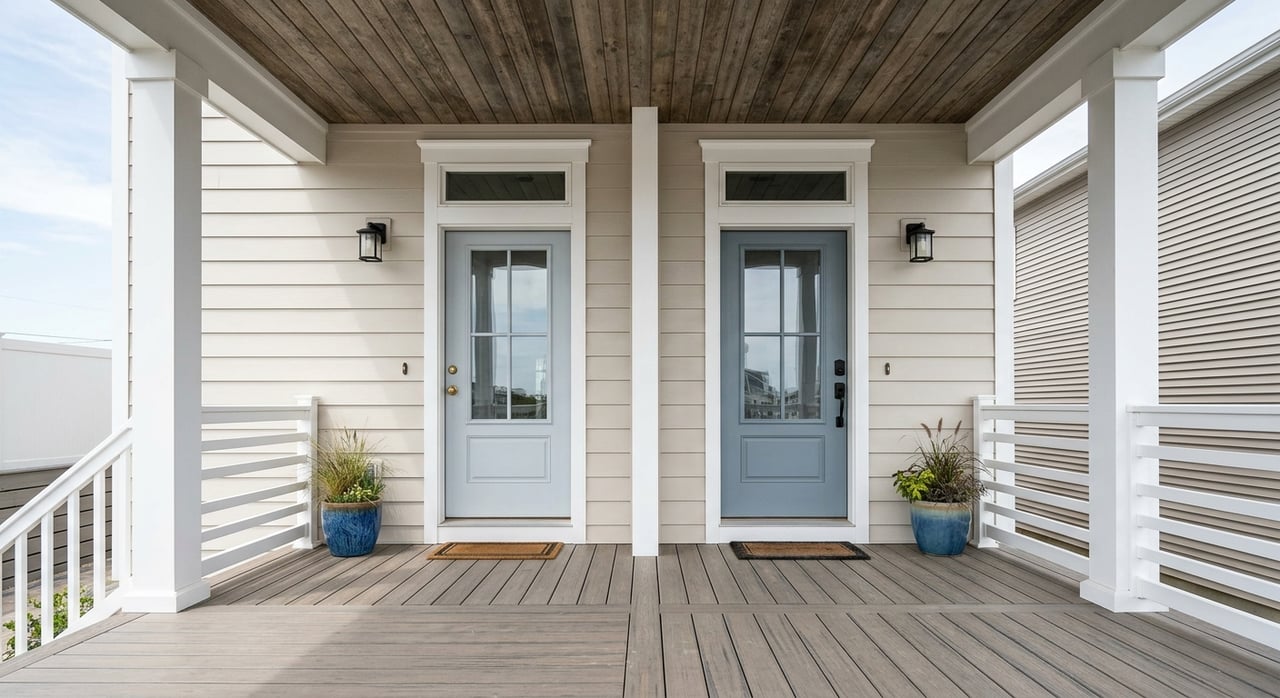
You do not need a sprawling lot to enjoy life at the shore. In Ocean City, many townhomes and duplexes are designed around a different kind of value: efficient use of space, close-to-everything locations, and layouts that fit seasonal living, second-home ownership, or rental use. If you are weighing this property type, it helps to understand how local rules shape everyday life. Let’s dive in.
What Counts as a Townhome or Duplex
In Ocean City, a duplex, or two-family dwelling, is a single structure with two dwelling units separated by common vertical walls or horizontal floors, and each unit must have its own outside entrance. That definition matters because it affects how the home is treated under local zoning and development rules.
Ocean City also recognizes that attached townhouses or row houses can function as a single structure when each townhouse or row house building is held in fee simple title. More broadly, townhouse-style living often means an attached home that extends from foundation to roof and sits within a group of three or more connected units.
For you as a buyer, the practical point is simple: these homes may look similar from the street, but ownership structure, layout, and code treatment can differ. That is one reason local guidance matters when you compare properties.
Why These Homes Fit Ocean City
Ocean City’s zoning places two-family housing in areas where that pattern has traditionally developed or is already common. The city’s residential framework also includes compact one- and two-family neighborhoods on small lots.
That helps explain why townhomes and duplexes feel so natural here. On a barrier island, space is limited, and the built environment reflects that reality. Many attached homes are shaped as much by lot efficiency and neighborhood layout as by total square footage.
If you are coming from a mainland suburb, this can be an adjustment. In Ocean City, the lifestyle often centers less on land and more on proximity, walkability, outdoor decks, and easy access to the shore experience.
How Layouts Feel in Daily Life
Ocean City’s bulk rules help explain why many townhomes and duplexes feel compact and vertical. In residential zones, side-yard requirements start small on narrower lots and increase with lot width, while townhouse and multi-family buildings must meet front and side yard standards tied to building height.
That usually leads to homes that make thoughtful use of each floor rather than spreading out across a wide footprint. You may see stacked living spaces, elevated entries, and a strong focus on how interior flow connects to porches and decks.
For many buyers, that is a good fit. If your goal is a low-fuss shore property with enough room for guests, a townhome or duplex can offer the right balance between comfort and manageability.
Outdoor Space Looks Different Here
In Ocean City, outdoor living is often built into the front or upper levels of the home rather than the backyard. Local design incentives for some one- and two-family projects favor front porches at the first habitable floor that are at least 8 feet deep, along with street steps and screened carport or garage areas.
In two-family zones, porches, decks, landings, and stairs may extend into required yard areas within code limits. That helps support the classic shore setup where outdoor space is layered into the home’s design.
For you, this can mean a lifestyle centered on porches, decks, and breezy sitting areas instead of a large lawn. If you picture morning coffee outside or a place to gather after the beach, these features often matter more than a traditional backyard.
Flood Elevation Shapes the Home
One of the biggest differences in Ocean City housing is how strongly flood rules influence design. The city measures maximum residential building height above zoning flood elevation, with limits ranging from 25 to 34 feet above ZFE depending on lot width and zone.
The code separately defines base flood elevation, zoning flood elevation, and the highest applicable flood elevation standard. That tells you something important: coastal conditions are not a side issue here. They are a core part of how homes are planned and built.
In real life, that often translates to raised living areas, stairs to the main floor, and ground-level spaces designed around access, parking, or storage. When you tour a townhome or duplex, it is smart to look beyond finishes and pay attention to elevation and layout choices.
Parking Matters More Than You Think
Parking is one of the most noticeable lifestyle differences in attached shore homes. Ocean City requires residential parking spaces for single-family and duplex homes to be at least 1 foot from the property line or any structure, and those buffer areas must be landscaped and permeable.
The city also does not allow excavation for parking spaces because of flooding concerns. Standard off-street parking spaces must have a dustless, durable, all-weather surface unless they are accessed from an alley.
On a narrow lot, that can affect how easy it feels to come and go during a busy summer weekend. You will want to look closely at whether parking is side by side, tandem, or stacked, and how that setup works for your household.
Stacked Parking on Narrow Lots
Ocean City allows stacked parking for residential units if each space is clearly designated and assigned to the dwelling unit. That can be useful where a side-by-side driveway simply will not fit.
This is one of those details that sounds minor until you live with it. If you expect frequent guests, multiple drivers, or quick beach departures, the parking arrangement deserves as much attention as the kitchen or primary suite.
Storage Is Often More Limited
Storage at the shore tends to be tighter, and Ocean City’s rules reinforce that. Accessory sheds cannot exceed 100 square feet or 10 feet in height, must be at least 4 feet from side or rear lot lines, and are not allowed on bayfront, lagoon, or oceanfront lots.
Street-facing garage doors must also be set at least 18 feet from the public right-of-way. Together, those standards help shape what owners can realistically do with overflow gear, beach equipment, bikes, and seasonal items.
That does not mean attached homes lack function. It means smart storage planning matters. Before you buy, think through where chairs, boards, tools, and owner supplies will actually go.
Rental Potential Comes With Rules
For many buyers, part of the appeal of a townhome or duplex is rental flexibility. Ocean City describes itself as a resort community, and its licensing rules require rental real estate to be registered so owners and tenants can be notified quickly in an emergency.
The city also says owners of residential real estate not occupied by the owner or an immediate family member must provide certain registration information. Registration permits run from June 1 through May 31.
That means rental income potential is real, but it is not passive. If you plan to rent, you should expect a structured local process rather than a casual setup.
Fees for Short-Term Rentals
Ocean City’s mercantile fee schedule includes dwelling units rented for less than 175 days, including single or duplex units, with a separate annual fee in the listed categories. The city has also adopted a 3% transient accommodations fee on rent charged for occupancies obtained through a transient space marketplace.
For you, the takeaway is clear: a rental-ready property can support your ownership strategy, but you should factor in registration, fees, and operational planning from the start. A strong purchase decision looks at both lifestyle fit and how the property functions if you rent it.
What Buyers Should Evaluate First
When you shop for a townhome or duplex in Ocean City, it helps to think beyond décor. Local code suggests that lot shape, driveway arrangement, flood elevation, and rental status can have a big impact on how the home works day to day.
A beautiful interior can still come with tradeoffs if the parking is tight, storage is limited, or the layout does not match how you plan to use the property. On the other hand, a well-chosen attached home can deliver an excellent shore lifestyle with less exterior upkeep and strong utility.
Start with the basics:
- Confirm how the property is classified and titled
- Review the parking setup and number of assigned spaces
- Ask how elevation affects access and living areas
- Check storage options for beach and seasonal gear
- Understand whether the property has rental registration requirements
- Factor in local fees if short-term rental use is part of your plan
Why Local Insight Helps
On paper, two Ocean City townhomes can seem very similar. In practice, small differences in zoning treatment, lot configuration, elevation, and parking can change how a property feels and performs.
That is where local knowledge adds real value. When you understand how Ocean City’s coastal rules shape the housing stock, you can buy with more confidence and fewer surprises.
If you are exploring townhomes, duplexes, or other shore properties in Ocean City, The Anchor Group can help you evaluate the details that matter most and find a home that fits how you want to live at the shore.
FAQs
What is a duplex in Ocean City, NJ?
- In Ocean City, a duplex is a single structure with two dwelling units separated by common vertical walls or horizontal floors, and each unit must have its own outside entrance.
What defines a townhome in Ocean City, NJ?
- Townhouse-style housing generally refers to attached dwelling units in a group of three or more homes, with each unit extending from foundation to roof and having open space on at least two sides.
Why do Ocean City townhomes often have less yard space?
- Ocean City’s compact lot patterns, side-yard standards, and height-related yard requirements often produce homes that use vertical space, porches, and decks more than large backyards.
How does flood elevation affect Ocean City attached homes?
- Ocean City measures residential building height above zoning flood elevation, so flood standards often shape raised living areas, stair access, and how lower levels are used.
What should buyers check about parking at an Ocean City duplex or townhome?
- You should check the number of spaces, whether parking is stacked or side by side, how spaces are assigned, and how the driveway layout works for everyday use.
Are Ocean City townhomes and duplexes good for rentals?
- They can be useful for seasonal ownership and rental income, but Ocean City requires registration for certain rental properties and applies fees to some short-term rental activity.