Trying to decide between Ocean City’s Gold Coast and the South End? You’re not alone. Both areas offer beautiful beaches and strong resale appeal, but the day-to-day feel is different. In this guide, you’ll compare beach access and crowding, home types, boardwalk proximity, parking and guest logistics, plus rental and flood considerations. By the end, you’ll know which stretch fits your lifestyle and what to check before you buy. Let’s dive in.
Quick map of both areas
Ocean City locals commonly describe the Gold Coast as the mid-island blocks around 15th to the low 30s, and the South End roughly from 34th to the island’s tip near 59th. These are helpful buyer shorthands, not legal boundaries. Use them to frame your search and then narrow to specific streets and blocks.
The Gold Coast feels refined and convenient. You can walk or bike to the boardwalk and downtown Asbury Avenue while enjoying a calmer vibe than the central boardwalk blocks.
The South End offers a quieter, lower-density experience with wider beaches and natural areas nearby toward Corson’s Inlet. You trade some boardwalk proximity for more sand and a slower pace.
Beach access and crowding
Ocean City’s central corridor near the boardwalk attractions is the busiest. The Gold Coast, set just south of that energy, offers easier boardwalk access than the South End with generally calmer beaches than the 6th to 15th blocks. If you like a morning walk on the boards and a quick retreat to a quieter stretch of sand, this balance can work well.
The South End is typically the quietest part of the island, with wider beaches and more space to spread out. If your priority is a low-key, roomy beach day, it is a strong fit. City lifeguard coverage and beach rules are consistent citywide. Ocean City requires beach tags for ages 12 and older during the staffed season, and guards typically operate from Memorial Day into mid-September. You can review official guidance on beach rules, lifeguards and tags and check current pricing and dates on the city’s beach tag store.
Home types and lot patterns
You’ll see a range of shore architecture in both areas, but the mix shifts slightly by location.
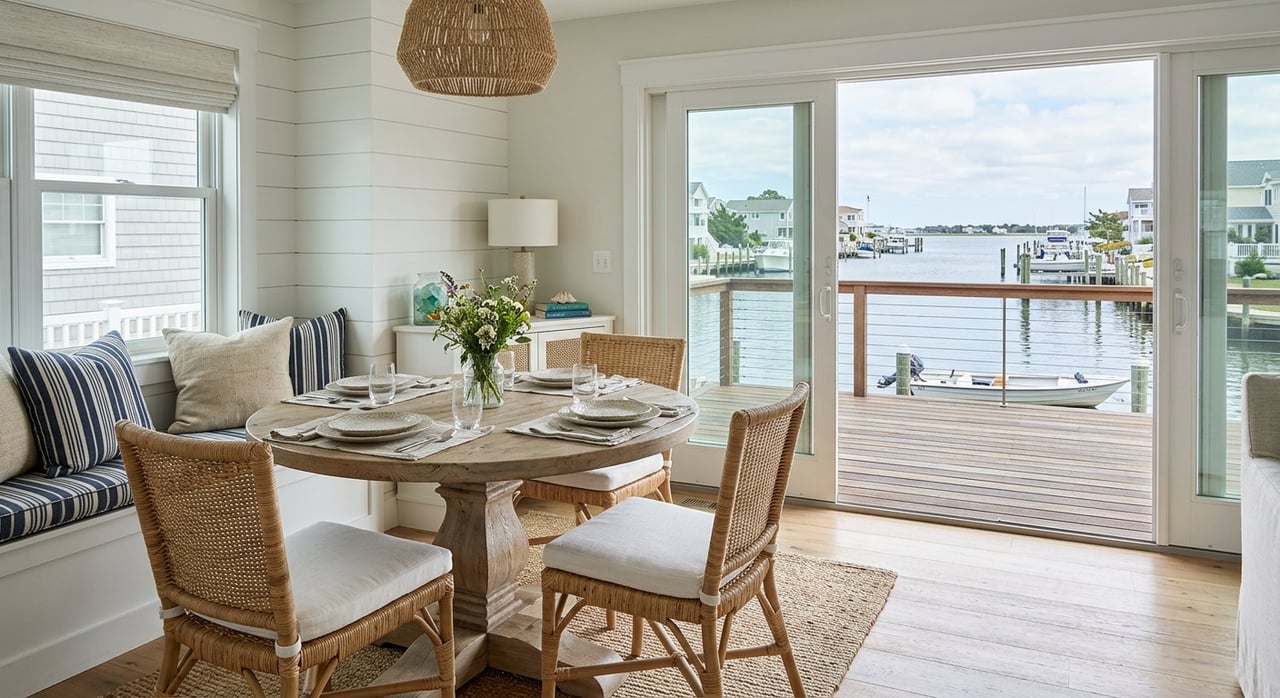
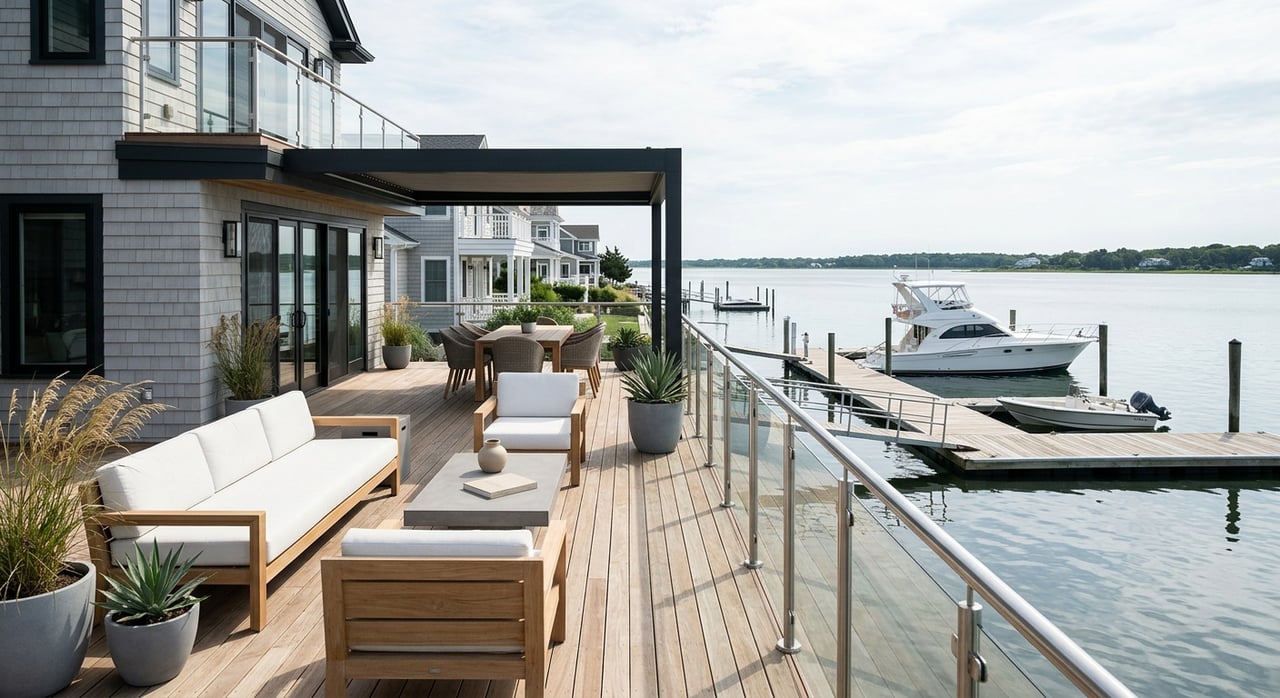
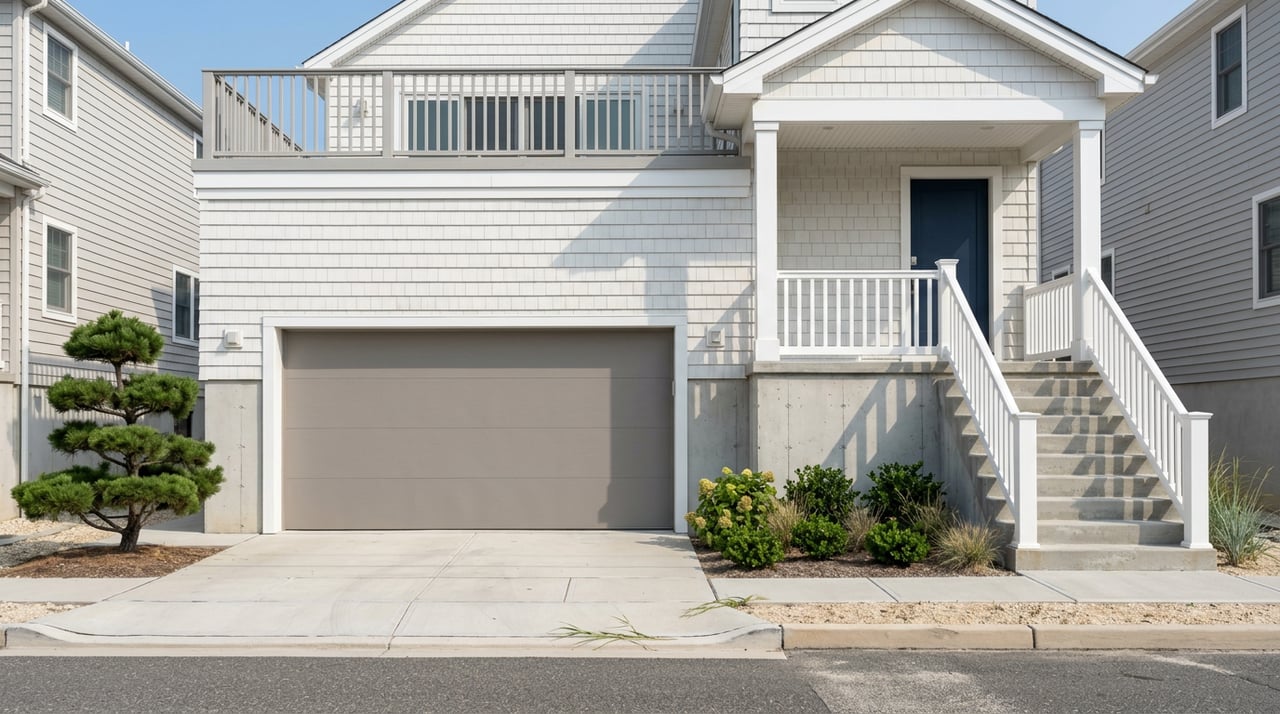
Gold Coast: Expect a blend of beachfront condos, duplexes and larger single-family homes. Many newer builds are elevated and feature roof decks, spacious porches and, in some larger condos, in-unit elevators. Several properties market as second homes with strong weekly rental appeal.
South End: Inventory includes condos, duplexes, townhomes and single-family houses. Some blocks offer a bit more space per lot and a wider beach in front. Many buyers here prioritize sand and serenity over immediate boardwalk access, which suits full-time living or family-style second homes.
Boardwalk, downtown, and lifestyle
Ocean City’s boardwalk runs about 2.45 miles and serves as the spine for attractions and easy bike or foot transit. The hub near the Music Pier and central amusements sits north of the Gold Coast. That makes the Gold Coast a practical choice if you want quick access to rides, shops, and downtown Asbury Avenue’s cafes and boutiques. For context on distance, review the city’s walking resources that reference boardwalk length.
In the South End, your day is more about the sand and natural scenery, especially as you head toward Corson’s Inlet. You can still reach the boardwalk by bike or via the seasonal jitney in the evenings, but daily life tends to be quieter and more beach-centric.
Parking and guest logistics
Parking is a practical issue for every shore buyer. Mid-island Gold Coast blocks can be tight, and off-street parking is a premium. If you plan to host guests often, confirm the exact number of deeded spaces or garage spots at any property you tour.
Ocean City operates municipal lots and meters and uses ParkMobile for payments. Seasonal enforcement applies, and a summer jitney runs island routes in the evenings, which helps guests move between the South End and the boardwalk. Review city details on parking, meters, lots, and the jitney so you can plan hosting and arrival windows confidently.
In the South End, lower day-visitor density often makes street parking a touch easier on busy weekends compared with mid-island, but off-street parking is still highly valued and can be a deciding factor when comparing listings.
Rental potential and compliance
If you intend to rent seasonally or weekly, Ocean City requires municipal compliance. Owners need a rental registration or mercantile license and a landlord certificate, and they must follow local rental rules and occupancy standards. Build time and cost for registration into your plan, and verify a property’s status during due diligence. You can start with the city’s mercantile and rental licensing page.
Flood risk, elevation, and insurance
Ocean City is a barrier island environment. Flood exposure and elevation can materially affect your insurance costs and renovation options, especially near the ocean or bay. As part of your offer prep, take three steps:
- Check the property’s FEMA flood panel and zone in the FEMA Flood Map Service Center.
- Request the seller’s Elevation Certificate, if available, and reconcile it with the FEMA map.
- Ask your insurer or broker for sample flood insurance quotes based on the structure, elevation, and build year.
For broader context on the island’s coastal setting, see the Ocean City overview. Your agent should also help you source municipal elevation records and any recent coastal work permits that might impact risk or premiums.
Price and market context
Portal snapshots can vary because they use different methods, such as active listing medians, closed-sale medians, or modeled value indexes. Recent examples showed a citywide median sale price around 1.44 million on one portal, a typical home value near 1.075 million on another, and a late-season citywide median around 1.35 million on a third. South End neighborhood snapshots also vary by month and source, with examples ranging from about 1.3 to 1.7 million.
What does that mean for you? Treat online numbers as a range and rely on recent closed sales for your exact block and property type. Ask your agent for a targeted comp set for the street you want and for the most recent 6 to 12 months. This approach is especially important in the Gold Coast and South End, where ocean adjacency, view corridors, and parking can move value significantly.
Side-by-side comparison
| Factor | Gold Coast | South End |
|---|---|---|
| Overall vibe | Upscale mid-island convenience close to action | Quieter, lower density, nature-forward |
| Beach feel | Calmer than central corridor, easy boardwalk access | Widest and quietest, more room to spread out |
| Boardwalk proximity | Walkable or quick bike ride to attractions | Longer bike ride; rely on evening jitney for easy trips |
| Typical homes | Beachfront condos, duplexes, larger single-family; some newer elevated builds | Condos, duplexes, townhomes, single-family; some blocks with more space |
| Parking | Off-street is a premium; plan for meters and lots | Lower day-crowd density can help; off-street still valuable |
| Nature access | Urban-seaside feel with quick downtown access | Near Corson’s Inlet area and wider dunes |
| Best fit if you… | Want boardwalk and dining close by | Want quiet mornings and a roomy beach experience |
How to choose: three quick scenarios
- You want summer energy and short walks to rides and restaurants. Pick the Gold Coast and focus on blocks with dedicated parking to simplify hosting.
- You want quiet, sunrise walks and wide, less crowded beaches. Choose the South End and plan for a few extra minutes to the boardwalk.
- You want strong rental weeks. Either area can work. Start with compliance and parking, then confirm beach access, sleeping layout, and distance to attractions to optimize your listing.
Viewing and due-diligence checklist
- Map the address to its block range and side of the island. Ask for walking and biking times to the boardwalk and Asbury Avenue.
- Confirm off-street parking counts and guest logistics. Review municipal parking and ParkMobile details and any permit options.
- Verify the flood zone in the FEMA Map Service Center and request the Elevation Certificate. Ask for any past flood claims or premium history if available.
- Review beach rules and tags. Ask whether any seasonal badges convey and if the property has a private path or cabana. See beach guidance and the city’s tag store.
- If renting, confirm the property’s registration and landlord certificate with the seller and the city. Start with mercantile and rental licensing.
- Ask about coastal construction and systems: pile or elevation work, exterior materials rated for seaside exposure, elevator service for condos, and recent dune fencing or access repairs.
- Assess noise and summer crowds. Visit in-season if possible or ask your agent about event impacts on nearby blocks. The Music Pier calendar is a helpful context point; explore event listings.
- Request 6 to 12 months of closed comps for your specific block and property type. Treat portal neighborhood labels as broad and focus on hyperlocal sales.
Next steps
Choosing between the Gold Coast and the South End comes down to how you plan to use your home. If you value quick boardwalk access and dining, the Gold Coast makes life easy. If you want wider beaches and quiet, the South End delivers. In both cases, confirm parking, rental compliance, and flood details early so you can move fast when the right home hits the market.
If you want local, technically informed guidance on Ocean City’s coastal nuances, you will feel at home with our team. From flood and permitting questions to rental readiness and white-glove marketing, we help you buy with confidence. Ready to compare properties on your short list? Contact The Anchor Group to get tailored comps, on-the-ground insights, and a clear plan for your Ocean City purchase.
FAQs
Where do the Gold Coast and South End begin and end in Ocean City?
- Locals commonly describe the Gold Coast as mid-island blocks around the mid-teens to low 30s, and the South End as roughly 34th to 59th. These are informal guides, so always evaluate specific streets and blocks.
Are Ocean City beaches guarded and do I need beach tags?
- Yes. Lifeguards are staffed seasonally and beach tags are required for ages 12 and older. Review beach rules, lifeguard info, and tags and check pricing and dates at the city beach tag store.
How far is the South End from the boardwalk and is there transit?
- You can bike from the South End to the 34th Street boardwalk access in minutes, but it is a longer walk to central attractions. The city runs a seasonal evening jitney; see routes and logistics under municipal parking and transit.
What parking rules should I plan for when hosting guests in summer?
- Expect meters, municipal lots, and seasonal enforcement, with ParkMobile widely used for payment. Confirm your property’s off-street spaces and share parking and jitney details with guests ahead of time.
What permits do I need if I plan to rent weekly in Ocean City?
- You will need municipal rental registration or a mercantile license and a landlord certificate, plus compliance with occupancy rules. Start with the city’s mercantile and rental licensing page and confirm paperwork during due diligence.
How do I check flood risk for a specific Ocean City address?
- Look up the property in the FEMA Flood Map Service Center, request the Elevation Certificate, and get sample flood insurance quotes. Your agent can help source municipal elevation records and past premium information if available.