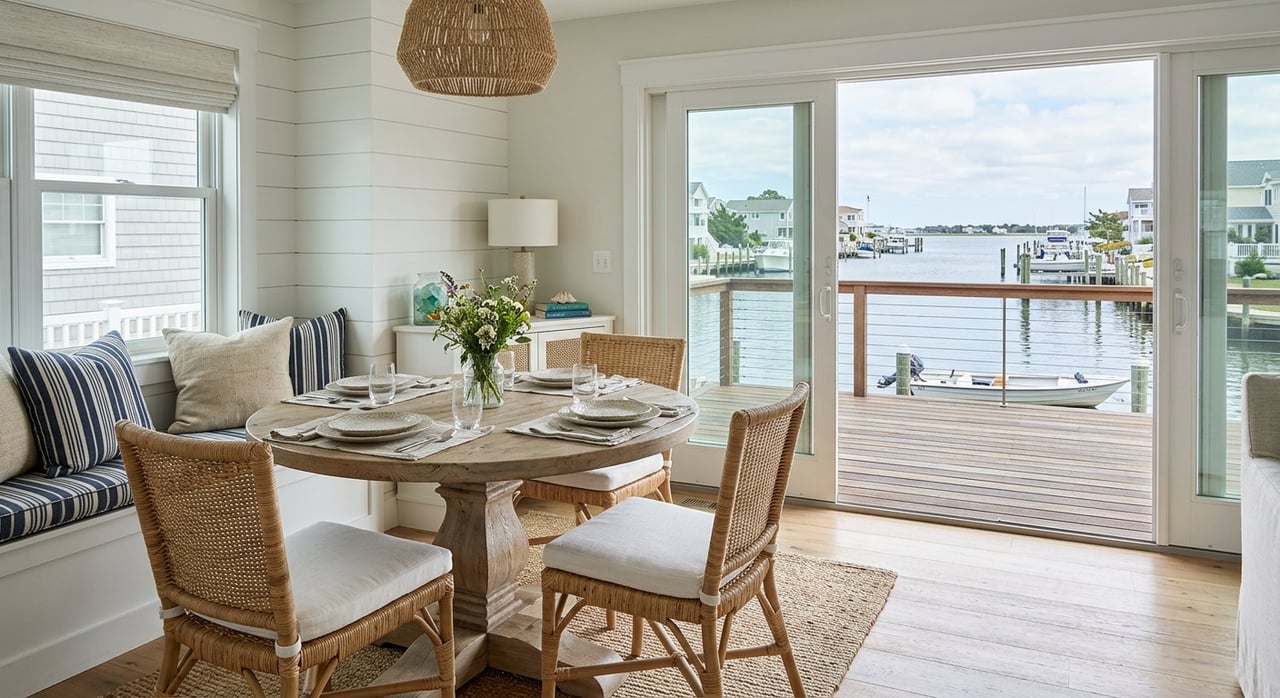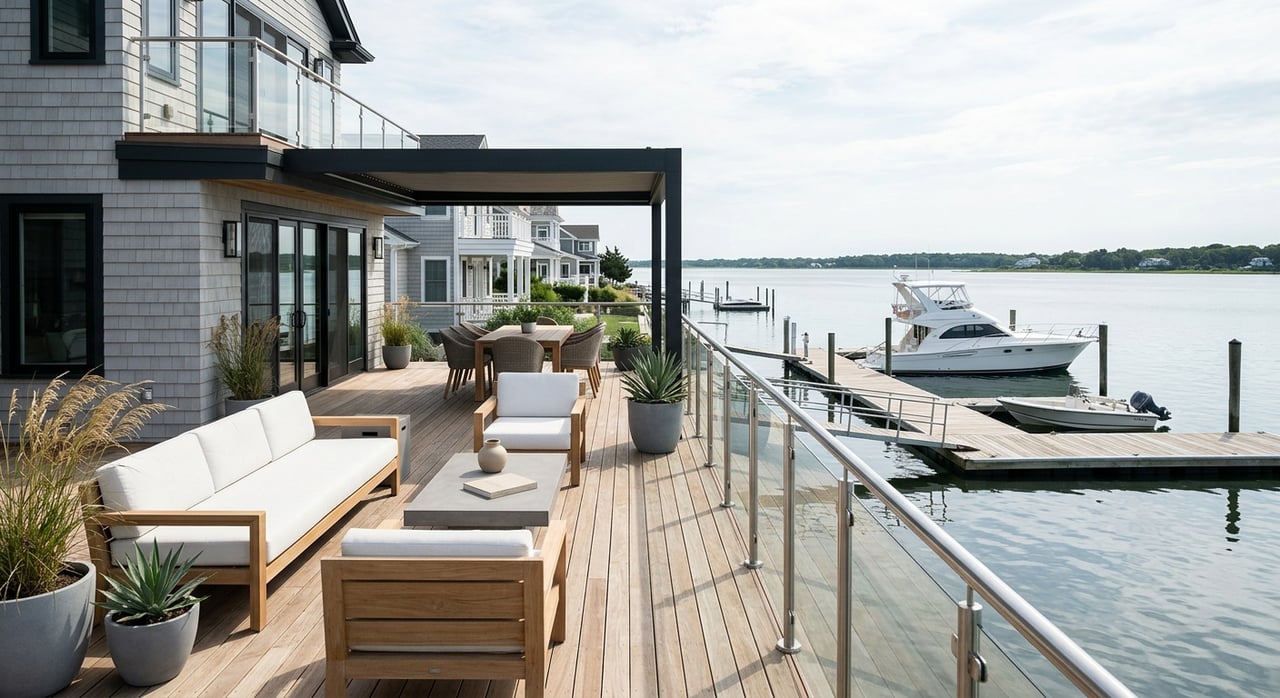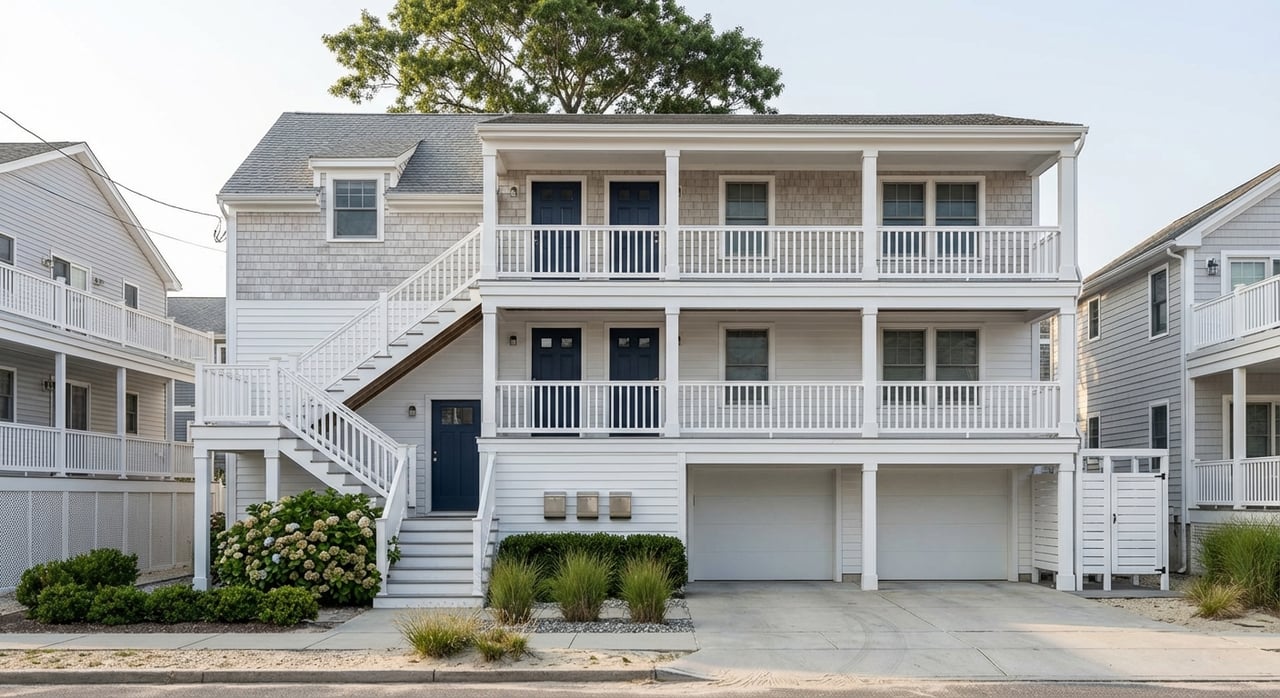
Thinking about buying a duplex or triplex in Ocean City to rent out during the summer? You’re not alone. Weekly summer rentals can help offset ownership costs, but success here depends on smart underwriting, strict compliance, and a clear plan for the shoulder and off seasons. In this guide, you’ll learn how demand works on the island, where 2–3 unit properties are permitted, which licenses and taxes apply, what to check for flood and safety, and how to run the numbers conservatively. Let’s dive in.
Ocean City rental demand at a glance
Ocean City is a family-focused shore market with strong seasonality. Weeklong leases anchor demand from mid-June through early September, and off-season occupancy typically drops. You’ll see the strongest interest for summer weeks, especially for well-located and well-furnished units. The island’s official visitor site underscores the vacation-rental culture and weekly patterns in peak season. Explore how summer rentals are positioned on the island by reviewing the vacation-rental information on the city’s visitor site at oceancityvacation.com.
A third-party market snapshot reported a median occupancy near 58 percent and an average daily rate around 305 dollars for the Aug 2023 to Jul 2024 period. Actual results vary by location, size, and amenities, but that data is a useful gut check when you model revenue. Use it as a cross-check rather than a promise. Review the market overview for context at RedAwning’s Ocean City page.
Where demand clusters: properties on the ocean block and near the Boardwalk tend to command premium weekly rates. Bayfront homes can draw boaters and weekenders year-round, though premium summer weeks remain the core driver. Compare rates within the immediate micro-neighborhood before you buy, since even a block or two can affect pricing and pace.
Where duplexes and triplexes are allowed
Ocean City’s zoning code spells out where two-family and multi-family uses are permitted. Duplexes are commonly allowed in two-family districts such as R-2, while triplexes are typically in multi-family districts like R-MF or in specific neighborhood variants. Always confirm the zoning for the exact parcel, then read the permitted-use section and bulk rules for setbacks, height, and parking. Start with the city’s zoning code index at ecode360.
For a map view, check the official zoning map published by the city. It will help you verify parcel designations and any special overlays that could affect expansion, decks, or exterior changes. See the current zoning map on the city’s site: Ocean City Zoning Map PDF.
Common building types include stacked duplexes (one unit over the other) and side-by-side townhome-style duplexes. Triplex configurations are more often found where multi-family zoning permits them. If you plan to reconfigure interiors, account for egress, fire separations, and parking rules that may limit conversion options.
Licensing and taxes you must budget
Short-term rentals in Ocean City require municipal licensing. Owners must complete a mercantile license or rental registration each year, provide contact information, and maintain required insurance. Noncompliance can trigger fines or license revocation. Review the city’s licensing portal and application materials at Ocean City Mercantile Licensing and read the enforcement framework in Chapter 5 of the municipal code at ecode360.
Insurance is part of licensing. City guidance calls for liability coverage and filing a certificate with the municipality. A commonly cited minimum is 500,000 dollars, but you should confirm current requirements on the licensing portal before you buy so you can price coverage into your pro forma.
New Jersey taxes matter, and they depend on how bookings are processed. Rentals obtained through a transient space marketplace, or that meet the state’s professionally managed criteria, are generally subject to state sales tax and the State Occupancy Fee. Certain direct bookings or broker-executed transactions may be excluded under statute. Read the state’s definitions and examples in the NJ Division of Taxation’s Transient Accommodations FAQ.
Ocean City also approved a 3 percent local occupancy fee targeting third-party platform bookings in July 2025. The ordinance was slated for state review and has been challenged by platforms, so you must confirm current status and effective dates before closing. See local reporting on the measure at OCNJ Daily and verify the latest details with the City Clerk’s office. Your channel mix could change net proceeds.
Flood, safety, and building checks
Flood is a core underwriting item on this barrier island. Many properties sit within mapped FEMA flood zones, and elevation drives both risk and insurance cost. Before you commit, obtain the parcel’s flood-map status, request an elevation certificate if available, and get a flood insurance estimate from your insurer. The city provides floodplain resources and development guidance at ocnj.us.
Safety and rental compliance go hand-in-hand. Ask for any recent fire, smoke, and carbon monoxide inspection records, and verify that bedrooms have proper egress. Review the municipal code for fire-prevention and building standards, and make sure your planned occupancy complies with local rules. The city’s licensing and enforcement chapter is a good starting point at ecode360.
Ocean City’s lots can be tight. Confirm off-street parking spaces and whether on-street permits affect operations. For utilities, separate meters per unit can simplify accounting if you cover any utilities for guests. If systems are older, budget for upgrades to electrical capacity, HVAC replacement, and code-driven improvements.
Turnover and maintenance costs add up quickly. Local managers are active on the island, and many owners outsource weekly turnovers in peak season. Fees for short-term rental management often range from 10 to 25 percent of gross rental revenue, and cleaning is an additional per-stay cost. Get written quotes from a local manager such as those found on oceanpmnj.com to build a realistic operating budget.
How to underwrite income conservatively
Here’s a practical framework you can use to compare duplex and triplex opportunities:
Gather real booking history. Ask the seller or their manager for at least two summers of weekly rates, occupancy by week, fees collected, cleaning and linen charges, and platform commissions. If reliable records are not available, treat income as unproven until you see verifiable ledgers or broker statements.
Build a three-season schedule. Break the year into Peak, Shoulder, and Off season. Estimate average daily rate for each season, then estimate occupied nights or weeks. Sum them for your Gross Potential Income. Use conservative occupancy, ideally below the reported median if you lack a track record. As a cross-check, review third-party context like RedAwning’s Ocean City market overview and align assumptions to your micro-location and unit size.
Deduct the right expenses. Subtract platform or broker commissions, management fees, cleaning and linens, utilities you pay, trash and grounds, insurance including flood, property taxes, routine maintenance, and a capital reserve for big-ticket items. Add state sales tax and the State Occupancy Fee where applicable, and include the local 3 percent platform fee if it is in effect for your booking channels. Use current quotes, not averages.
Calculate NOI and check pricing. After expenses, your Net Operating Income is the base for a cap-rate check. Many shore sellers price off gross summer revenue, not NOI. Compare your NOI to recent small-multifamily sales in Ocean City to keep your offer grounded in reality.
Confirm your financing path. Speak with a lender familiar with shore markets. Ask how they treat short-term rental income, what reserves they require, and whether flood conditions change loan terms.
Run an example as a sanity check. If a 2-unit building were to align with the vendor snapshot of 58 percent occupancy at a 305 dollar ADR, each unit might gross in the mid five figures. Two fully rented units could approach six figures in gross revenue, but after management, taxes, insurance, flood coverage, and reserves, NOI will be meaningfully lower. Your actual results hinge on exact location, condition, and how you operate.
Step-by-step buying game plan
Follow this checklist to move from interest to offer with confidence:
- Pre-offer verification. Confirm the property’s zoning designation, permitted use, required parking, and whether the current use is conforming. Use the zoning map and code links above for a quick screen.
- Licensing and insurance. Ask the seller for the current mercantile license or rental registration for each unit and proof of liability insurance on file with the city.
- Tax channel check. Document whether bookings are made via marketplace platforms or through a broker. Your mix will determine state tax collection and potential local platform fees.
- Flood diligence. Pull the FEMA flood zone, request the elevation certificate, and obtain a written flood premium estimate from your insurer.
- Operational quotes. Get written management and cleaning quotes from a local provider, plus a maintenance reserve recommendation based on the building’s age.
- Inspection plan. Schedule a full home inspection, plus specialists for electrical, HVAC, and plumbing. If you plan to reconfigure units, add a contractor walkthrough for code and egress updates.
- Offer with numbers. Present an offer supported by your conservative income schedule and itemized expenses, plus financing terms you can execute.
Side-by-side comparison checklist
Use this quick reference when you evaluate each duplex or triplex:
- Zoning designation, permitted use, and parking requirements
- Active mercantile license or rental registration for each unit
- Proof of liability and flood insurance, including coverage limits
- Two years of booking ledgers: weekly rates, occupancy, commissions, and cleaning
- Booking-channel mix: platform vs broker and applicable taxes/fees
- Unit layout: bedrooms, legal egress, separate entrances, number of kitchens
- Utilities: separate meters vs shared, and who pays what
- Parking capacity: on-site spaces and any on-street permit rules
- Flood status: FEMA map zone, elevation certificate, estimated premium
- Physical condition: inspection findings and contractor estimates for code work
- HOA or condo rules that limit short-term leasing, if applicable
- Local property manager availability and fee schedule
The bottom line
Ocean City can be a strong seasonal market if you buy the right building in the right location and underwrite conservatively. Focus on weekly summer demand, price in all licensing and tax obligations, respect flood and safety rules, and insist on real booking data before you lean on income claims. If you want an experienced, island-based team to help you find, verify, and negotiate the right duplex or triplex, reach out to The Anchor Group. We combine technical coastal know-how with trusted local networks to make your investment work at the shore.
FAQs
What is unique about Ocean City’s rental demand compared with other shore towns?
- Ocean City centers on family-oriented, weekly summer rentals with strong peak-season demand and materially lower shoulder and off-season occupancy, so most income is earned mid-June through early September.
Do I need a mercantile license to rent my duplex in Ocean City?
- Yes. The city requires annual rental registration and licensing for short-term rentals, including contact details and proof of required insurance. Noncompliance can result in fines or license revocation.
How do New Jersey taxes apply to Airbnb or brokered bookings for Ocean City rentals?
- Rentals booked through a transient space marketplace or that are professionally managed are generally subject to state sales tax and the State Occupancy Fee; certain direct or broker-executed bookings may be excluded under state guidance.
Where are duplexes and triplexes typically permitted on the island?
- Duplexes are commonly allowed in two-family districts such as R-2, while triplexes are usually limited to multi-family districts like R-MF or specific neighborhood variants. Always verify the parcel’s zoning and bulk rules.
How should I estimate flood insurance costs before I buy a multi-family in Ocean City?
- Get the FEMA flood zone for the lot, request an elevation certificate, then obtain a written quote from your insurer. Premiums vary by elevation, construction, and coverage, so price it into your NOI model.
What management and cleaning fees should I expect for short-term rentals in Ocean City?
- Short-term rental management often ranges from 10 to 25 percent of gross rental revenue, and cleaning is charged per turnover. Obtain written quotes from a local manager to build your operating budget.