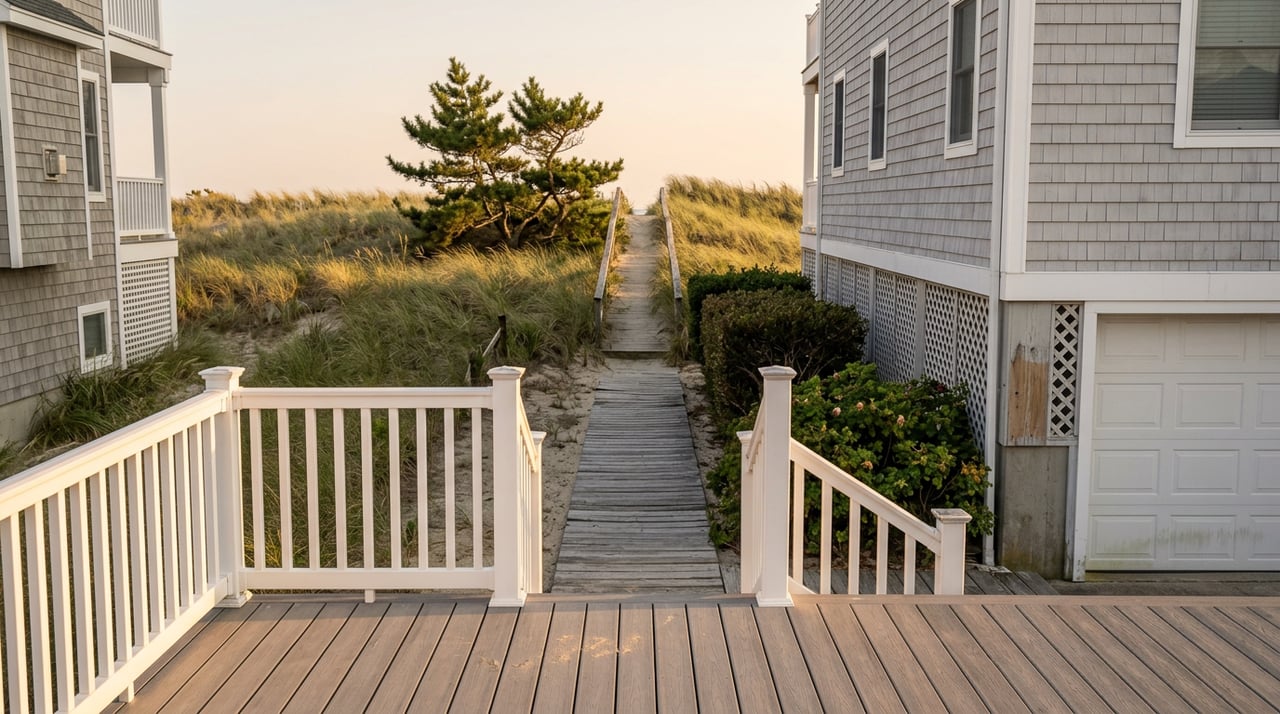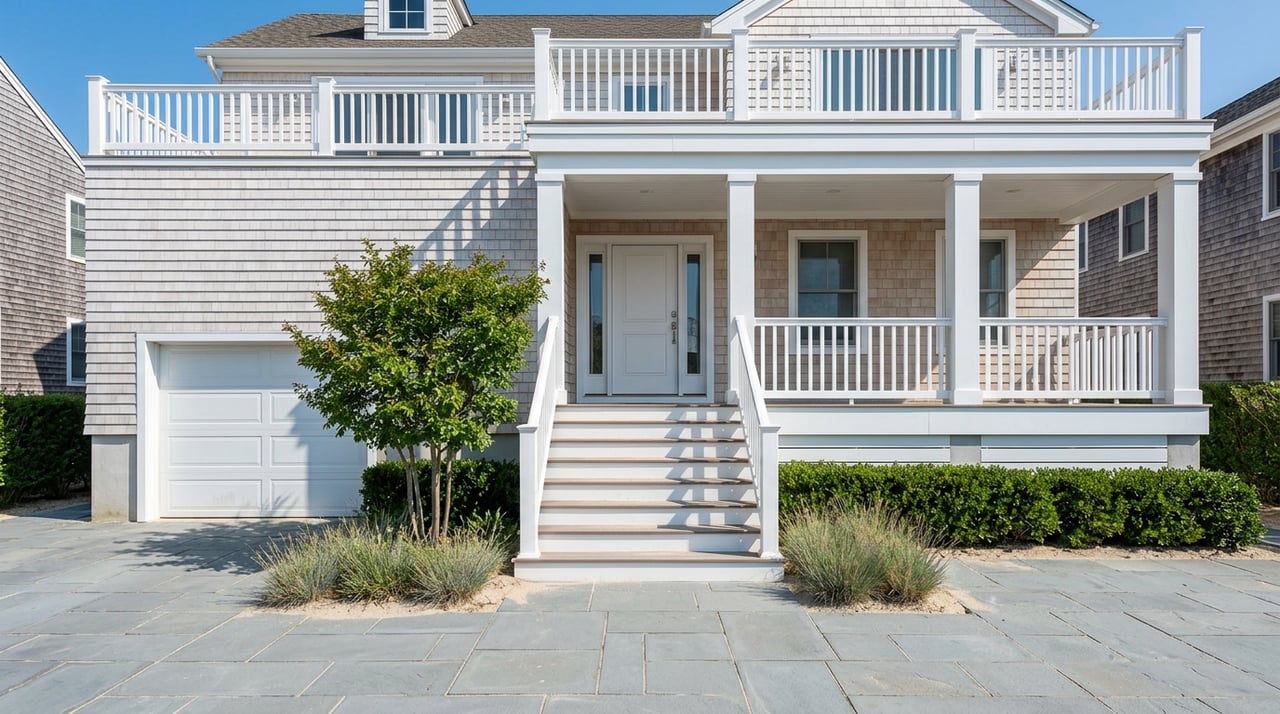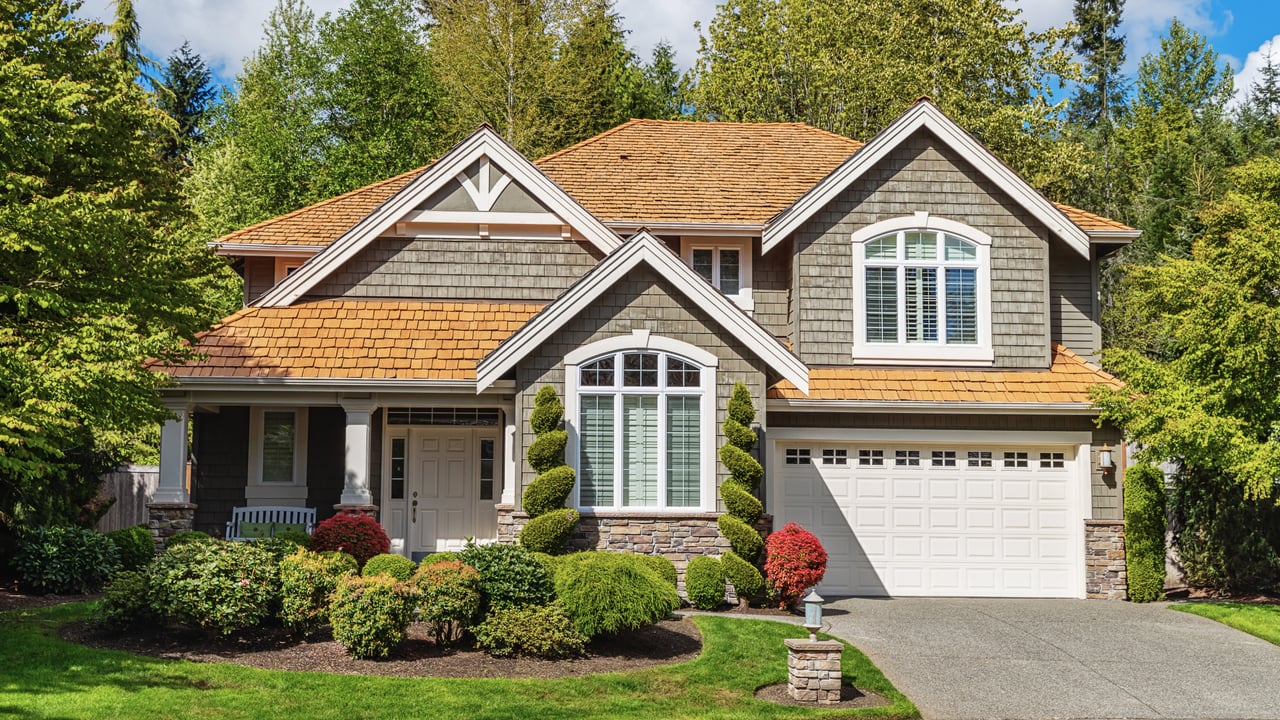
Wondering why some Ocean City homes feel easy to host in, while others seem to collect sand, clutter, and chaos by noon? If you use your shore home for visiting family, weekend guests, or occasional rentals, the design has to work harder than a typical owner-only house. The good news is that with the right layout, materials, and storage, you can create a home that resets fast and stays comfortable through busy beach days. Let’s dive in.
Start With Easy Reset Design
In Ocean City, guest-friendly design is really about easy reset. As a year-round family resort with eight miles of oceanfront beaches, homes here often need to handle beach gear, wet towels, frequent arrivals, and changing sleeping arrangements.
That challenge matters even more because Ocean City says the entire city is within a flood plain. That makes moisture, cleanability, and repairability important design priorities, not just nice extras.
If you plan around those realities from the start, your home can feel welcoming without becoming high maintenance. The best spaces make it easy for guests to come and go, clean up after the beach, and settle in without disrupting the rest of the house.
Create a Better Arrival Zone
Guest comfort starts at the door. In a shore home, people often arrive carrying coolers, beach bags, suitcases, and groceries all at once, so the first few steps inside need to work smoothly.
Ocean City’s parking system also reinforces the value of a simple unloading setup. The city notes that it has more than 2,800 spaces in Boardwalk and Downtown lots and 1,142 metered street spaces, with free off-season parking from Oct. 31 to May 1, so many homes benefit from an entry sequence that helps guests unload quickly and move items inside without confusion.
Keep Storage Near the Door
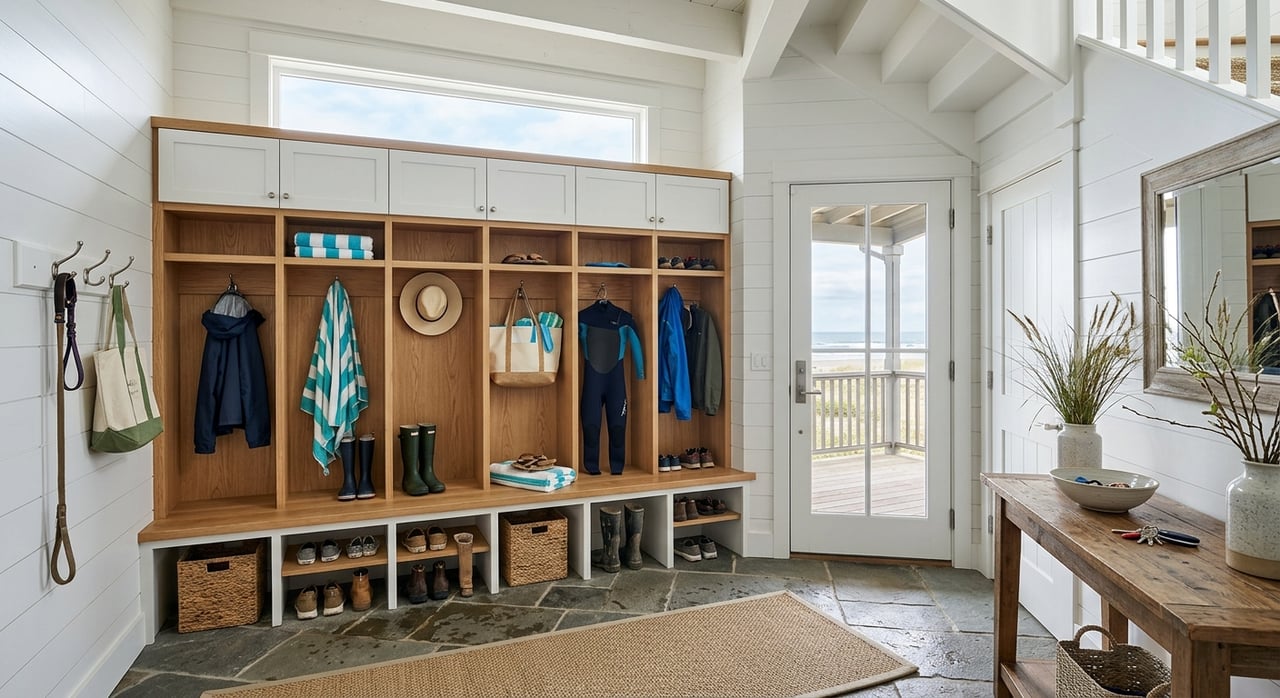
Closed storage near the entry or garage transition is one of the smartest upgrades you can make. It gives you a dedicated place for wet towels, chairs, coolers, and shoes before they spread into the living room or bedrooms.
In Ocean City, this works especially well when storage is easy to wipe out and simple to access. That approach matches the beach-centered way homes are used and helps reduce wear on your main living spaces.
Make the Path Inside Simple
A clear path from the door to the main living area makes hosting easier for everyone. You want guests to understand where bags go, where shoes come off, and where beach items belong without asking for directions.
Simple circulation also helps when guests are arriving in waves. Instead of crowding one narrow space, people can move through the home with less bottlenecking and less mess.
Choose a Layout That Works for Guests
A beautiful home is not always a functional hosting home. If you want your Ocean City property to work well for extended family, mixed age groups, or occasional renters, layout matters just as much as finishes.
Universal design guidance for residential homes points to features like no-step entries, one-story living, open floor plans, wider doorways and hallways, lever-style handles, rocker switches, and non-slip surfaces. In a shore house, those features can make daily use easier whether guests are carrying luggage, helping kids, or simply moving between rooms comfortably.
Put Key Living on the Main Level
One of the most practical choices is placing the main living area, at least one bedroom, and a full bath on the primary living level. That setup gives you flexibility when guests have different mobility needs or when you simply want everyone to use the house more easily.
It also makes short stays feel more comfortable. Guests do not have to navigate stairs constantly just to access the spaces they use most.
Add a Flexible Bonus Room
A second room that can shift between office, bunk room, or overflow sleeping space adds a lot of value. This kind of flexible room supports the way Ocean City homes are often used, especially during busy summer weeks or holiday weekends.
Universal design principles also support flexible use and enough room to approach and use spaces without crowding. In practical terms, that means your home can adapt as your needs change over time.
Pick Materials That Handle Sand and Moisture
Beach houses look best when they are built for real life. In Ocean City, that means selecting materials that can stand up to sandy feet, damp clothing, and the moisture that comes with coastal living.
The EPA notes that moisture control is the key to mold control, including fixing leaks quickly and keeping indoor humidity low. For your home, that supports durable flooring, washable finishes in wet areas, and less dependence on carpet or other materials that are slow to dry.
Use Durable, Cleanable Surfaces
Hard-wearing flooring is often the easiest choice in high-traffic spaces. When guests are moving in and out from the beach, surfaces that clean up quickly can save you time and reduce ongoing maintenance.
Washable wall finishes also make sense near entries, bathrooms, and other wet zones. These are the places where salt, splashes, and sand tend to show up first.
Think About Lower-Level Materials
FEMA defines flood-resistant materials as products that can withstand direct and prolonged contact with floodwaters without significant damage. FEMA also says that structural and non-structural materials at or below the base flood elevation must be flood resistant.
For Ocean City homes, that makes lower-level finish choices especially important. Materials that can be cleaned, dried, or replaced with minimal disruption can help your home recover more easily if water becomes an issue.
Use Corrosion-Resistant Exterior Details
Ocean air is hard on hardware. FEMA’s coastal construction guidance says salt spray and onshore winds speed up corrosion, with the strongest effects near the shoreline and impacts that can still be measured farther inland.
That is why corrosion-resistant hardware, fasteners, railings, exterior lights, and door hardware are worth prioritizing in Ocean City. These details may seem small, but they can make a big difference in long-term upkeep.
Build Storage Around Beach Life
In a guest-heavy shore home, storage should support the way people actually live. That means fewer decorative solutions and more practical ones that help you contain gear fast.
The most useful storage is closed, durable, and close to where the mess starts. If you can stop sand and wet items at the edge of the house, the rest of the home stays easier to maintain.
Smart Storage Ideas to Consider
- Closed cabinets or lockers near the main entry
- Easy-to-clean storage at the garage transition
- Separate space for chairs, coolers, and beach gear
- A spot for wet towels away from bedrooms
- Locked owner storage if you may rent the home occasionally
If your home serves both personal use and rental use, owner storage becomes even more valuable. It helps you secure personal items while keeping guest areas simple and uncluttered.
Plan for Occasional Rental Use
Many Ocean City owners want a home that works for personal use but can also handle occasional rental income. If that is part of your plan, design choices should support fast cleaning, clear circulation, and straightforward turnover.
Ocean City’s licensing office says all residential rental properties require a Mercantile License, also called Rental Registration. The city also requires owners to maintain liability insurance of at least $500,000 and register the certificate annually.
That does not mean your home has to feel generic. It means the best rental-ready homes often balance comfort with practical choices that are easier to inspect, maintain, and reset between stays.
Know the Permit Checkpoints Early
Guest-focused improvements often touch areas that require permits, so it is smart to think about approvals before finalizing your plans. In Ocean City, the Construction Code Office handles building, plumbing, electrical, fire, and mechanical permits.
The city notes that decks, railings, kitchen alterations, bathroom alterations, and water heaters require permits. Changes to window or door opening sizes can also require one.
Renovations Worth Planning Carefully
- Reworking an entry sequence
- Expanding or rebuilding a deck
- Updating kitchen or bath layouts
- Changing railings for safety or durability
- Enlarging door openings for easier access
When you account for the permit process early, your project is more likely to stay on schedule and align with local requirements. That can help you avoid costly redesigns later.
Keep Safety Features Visible
A guest-ready home should also make safety equipment easy to find and easy to maintain. Ocean City’s municipal code information notes fire prevention measures that include smoke detectors, carbon monoxide alarms, and fire extinguishers.
This matters even more when sleeping arrangements change by season or by guest count. Visible, accessible safety features help the home function better for everyone using it.
Focus on Function Without Losing Style
The best Ocean City homes for hosting do not just look polished in listing photos. They work well on a real July weekend when people are carrying in beach bags, rinsing off, and trying to relax.
That usually means combining a flexible layout, durable finishes, closed storage, and materials chosen for moisture and coastal wear. When those pieces come together, your home feels calmer, easier to manage, and more enjoyable for both you and your guests.
If you are thinking about buying, renovating, or preparing to sell a shore home, smart guest-friendly design can add everyday value and make the property more appealing to future buyers. If you want local guidance on what works in Ocean City, The Anchor Group can help you plan your next move with coastal insight and practical perspective.
FAQs
What makes an Ocean City home easier for guests to use?
- A guest-friendly Ocean City home usually has a simple entry flow, closed beach storage near the door, durable finishes, and a layout that allows guests to move through the house without crowding.
What layout works best for hosting in an Ocean City shore home?
- A practical layout often includes the main living area, one bedroom, and a full bath on the primary living level, plus a flexible extra room for office use or overflow sleeping.
What materials are best for an Ocean City home near the beach?
- Materials that clean and dry easily tend to work best, especially in high-traffic or lower-level areas where sand, moisture, and flood exposure are bigger concerns.
Do Ocean City rental homes need special registration?
- Yes. Ocean City says residential rental properties require a Mercantile License, also known as Rental Registration, along with annual proof of at least $500,000 in liability insurance.
Do guest-friendly home upgrades in Ocean City require permits?
- Many do. Ocean City notes that decks, railings, kitchen and bathroom alterations, water heaters, and some window or door opening changes require permits through the Construction Code Office.
Why is flood-conscious design important for Ocean City homes?
- Ocean City says the entire city is within a flood plain, so materials, storage, and finish choices should be selected with moisture, cleanability, and repairability in mind.