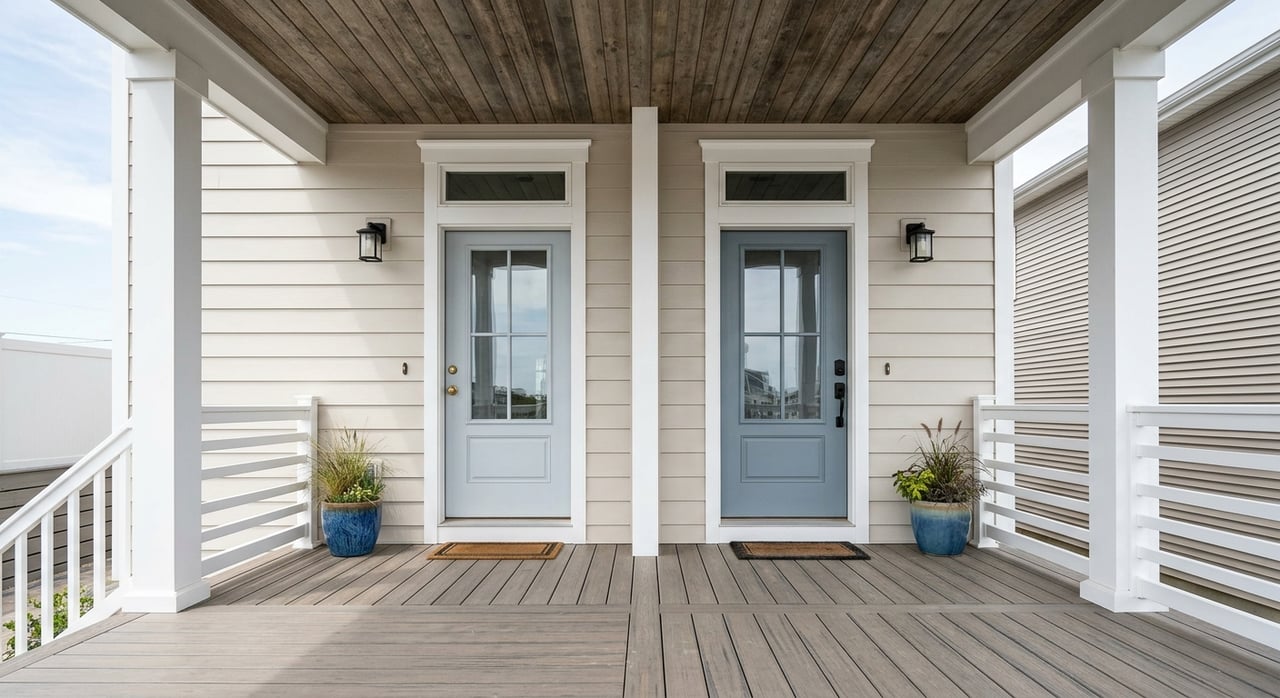
Wondering whether an Ocean City home will actually perform well as a rental, or just look good in listing photos? That is a smart question to ask before you buy. In a shore market like Ocean City, rental potential depends on more than beach access alone. You also need to think about local rules, parking, layout, and how easily guests can use the home from check-in to check-out. Let’s dive in.
Start With Ocean City’s Rental Demand
Ocean City has a strong visitor draw built around its beaches, boardwalk, and downtown district along Asbury Avenue. The city describes itself as a year-round family resort, and its location at the northern tip of Cape May County makes it an easy drive from places like Philadelphia, Atlantic City, and New York.
That matters when you evaluate rental potential. A home here may appeal not only to peak summer vacationers, but also to shoulder-season visitors in spring and fall. Since the boardwalk is open year-round and many restaurants, arcades, and boutiques stay open beyond summer, rental demand is not limited to a short holiday window.
Focus on the Right Guest Profile
Ocean City’s beach rules and visitor identity help shape what tends to rent well. The city’s beaches have restrictions on alcohol, smoking or vaping, beach driving, and some dog access, which supports the town’s family-oriented appeal.
Because of that, homes that fit families and smaller groups often align better with the local market than large party-style houses. If you are comparing properties, think about which one feels easiest for a family beach week, a long weekend, or a second-home guest stay.
Check If the Property Can Be Used as a Rental
Before you think about projected income, check whether the property can actually function as a legal rental. Ocean City’s Municipal Code and Licensing office handles rental licensing, and the city’s 2025-2026 rental registration form requires proof of insurance.
That means rental potential starts with compliance. A beautiful home in a great location may still create problems if the licensing or registration path is unclear.
Review the Seasonal Rental Definition
Ocean City defines a seasonal rental as any rental of residential accommodation for less than one year, including part of the period from May 15 to September 15. That broad definition is important because many buyers assume only peak summer weeks count.
If your plan involves weekly, monthly, or other shorter-term occupancy during that timeframe, you should evaluate the home with seasonal rental rules in mind. It is better to confirm this early than to make assumptions after closing.
Understand Rules for Unrelated Occupants
Ocean City also has a special rule for apartments or dwellings rented to groups of more than three unrelated persons. In those cases, the owner or agent must register the dwelling with the City Clerk within 24 hours, provide occupant information and an adult contact, and ensure an adult member or adult supervisor is physically present or regularly visiting during the rental period.
This rule can affect how you assess a property’s ideal use. A layout that works naturally for families may be easier to market and manage than one designed around unrelated group occupancy.
Evaluate the Home’s Layout for Real-World Use
A strong rental property should feel easy to live in, not just attractive online. In Ocean City, that often means a practical floor plan with clear sleeping areas, enough bathrooms, and smooth movement from the entry to the beach shower, storage area, kitchen, and outdoor spaces.
When guests come back from the beach, they bring bags, coolers, towels, bikes, and sand gear. If the home creates bottlenecks at the stairs, parking area, or front entry, that friction can affect the guest experience.
Look for Bedroom and Bath Balance
Bedroom count matters, but so does how the sleeping setup actually works. A home with decent privacy between sleeping areas and enough bathrooms for the expected guest load can feel much more functional than a larger home with awkward flow.
As you tour properties, picture a typical turnover day. Can one group unload while another person starts laundry or uses an outdoor shower? Can guests get ready for the beach without crowding each other? Those details shape rental appeal.
Prioritize Outdoor Living and Storage
In a beach town, outdoor features add real value. Decks, porches, patios, and practical storage for chairs, bikes, and beach gear can make a property much easier for guests to use.
These features may not always be the headline in a listing, but they often help a home stand out in day-to-day rental use. They also support the lifestyle guests come to Ocean City for in the first place.
Don’t Overlook Parking
Parking is one of the clearest rental differentiators in Ocean City. The city notes that it has more than 2,800 parking spaces in boardwalk and downtown lots and 1,142 metered street spaces, with paid summer parking and meter rates that vary by area.
That is why off-street parking can be such a major advantage. If a property offers simple, reliable parking for guests, it removes a common source of stress during peak season.
Ask Practical Parking Questions
When evaluating a home, consider:
- How many cars can park off-street?
- Is the parking easy to access, or tight and difficult to use?
- Will guests need to juggle vehicles during busy summer weekends?
- Is there enough room for loading and unloading beach gear?
A home farther from the beach can still rent well if parking is strong and access to the boardwalk or downtown feels manageable. In many cases, convenience wins.
Consider Location Beyond the Beach Block
Being close to the beach is helpful, but it is not the only location factor that matters. Ocean City’s visitor experience also revolves around the boardwalk and the downtown shopping district on Asbury Avenue.
That means some homes outside the immediate beach block may still have solid rental appeal if they offer easier parking, better access to downtown, or a smoother arrival experience. The key is whether guests can enjoy the parts of Ocean City they came for without too much friction.
Review Condo and HOA Rules Carefully
If you are considering a condo, townhome, or other common-interest property, do not assume it is automatically rental-friendly. New Jersey Department of Community Affairs materials make clear that association structures and governing documents are part of how these properties are administered.
Before you move forward, review the master deed, bylaws, and any association rules. You will want to confirm whether there are rental caps, lease minimums, parking rules, pet restrictions, or guest procedures that could limit the type of rental use you want.
Factor in Flood and Storm Recovery Risk
In a coastal market, rental performance is tied to durability as well as demand. Ocean City states that homes in a flood zone that are substantially damaged, or newly built, must meet elevation or new-construction standards.
The city also notes that repairs or upgrades exceeding 50 percent of a home’s value can trigger compliance with the Flood Damage Prevention Ordinance. For you as a buyer, that means a property’s condition and recovery profile matter.
Ask How Resilient the Property Is
A home that is easier to maintain and recover after storm events may be a more stable rental candidate over time. As you evaluate options, consider the age of improvements, how the lower level is used, and whether future upgrades could trigger additional compliance requirements.
This is one area where local coastal knowledge can make a big difference. A lower purchase price does not always mean a lower-risk rental.
Think About Management From Day One
Ocean City’s code allows the city to require a bond after two substantiated disorderly, indecent, tumultuous, or riotous complaints within 12 consecutive months. Any required bond must be between $500 and $5,000.
That is a reminder that rental success is not only about booking demand. It is also about guest screening, clear expectations, and active oversight.
If you plan to rent the property, think ahead about how turnovers, communication, and day-to-day support will be handled. A home that is easy to supervise and maintain is often the better long-term investment.
A Simple Ocean City Rental Checklist
As you compare properties, use this checklist to stay focused on what matters most:
- Can the property be licensed and registered with the city as a rental?
- Does the condo or HOA documentation allow your intended rental use?
- Does the layout work well for families or smaller groups?
- Are there enough bathrooms and practical sleeping areas?
- Is off-street parking available and easy to use?
- Are there decks, porches, patios, or storage areas that improve guest use?
- Is the location convenient to the beach, boardwalk, downtown, or everyday needs?
- Could flood zone standards or future repair costs affect ownership plans?
- Will the property be straightforward to manage during busy season?
The best rental candidates in Ocean City are often the ones with the fewest surprises. They tend to be family-friendly, parking-friendly, and practical to own in a coastal setting.
If you want help weighing rental fit, flood considerations, condo rules, or neighborhood tradeoffs in Ocean City, The Anchor Group can help you evaluate your options with local insight and a clear plan.
FAQs
What makes an Ocean City home good for rental potential?
- In Ocean City, strong rental candidates often have a practical layout, enough bathrooms, off-street parking, useful outdoor space, and a location that makes beach, boardwalk, or downtown access easy for guests.
Do Ocean City rental properties need to be licensed?
- Yes. Ocean City’s Municipal Code and Licensing office handles rental licensing, and the city’s current rental registration materials require proof of insurance.
Can a condo in Ocean City be used as a rental?
- Maybe, but you should not assume so. Condo and HOA documents may include rental caps, lease minimums, parking rules, pet rules, or guest procedures that affect rental use.
Can a home farther from the beach still rent well in Ocean City?
- Yes, it often can if it offers strong parking and easy access to the boardwalk, downtown Asbury Avenue, and other parts of the Ocean City visitor experience.
Do Ocean City beachgoers need beach tags?
- Yes. Beach tags are required for beachgoers ages 12 and older from early June through Labor Day.
Why do parking and storage matter for Ocean City rentals?
- Summer parking is paid or metered in many areas, so off-street parking adds convenience. Storage for bikes, chairs, and beach gear also helps guests move in and out more smoothly.