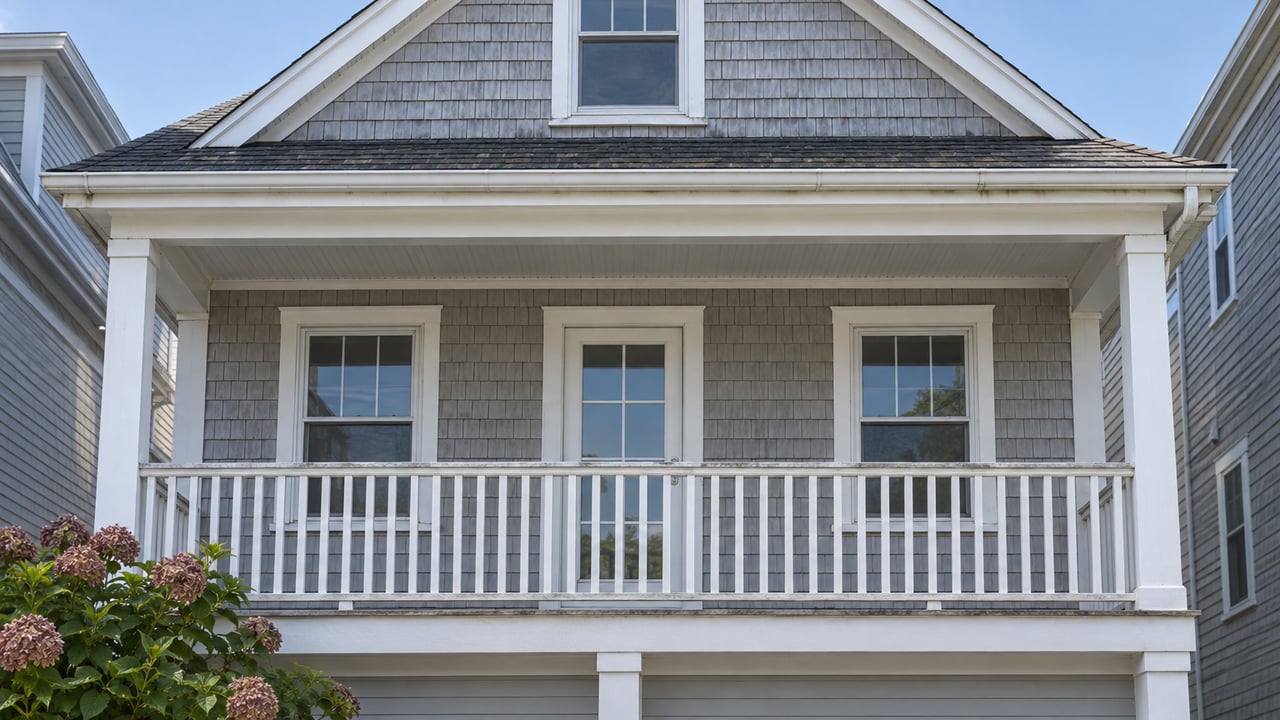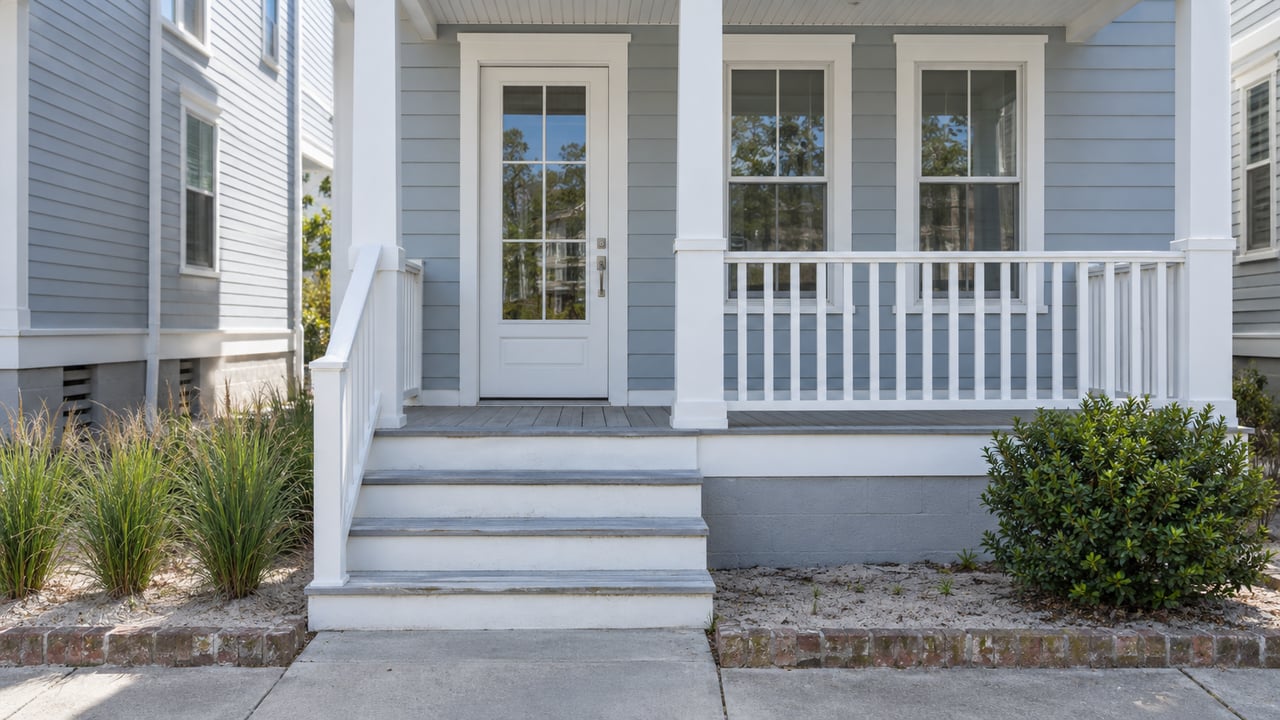
Is there a right season to sell your Ocean City home? If you’re weighing spring against fall, you’re not alone. The shore market follows the summer season, so timing can shape your traffic, pricing power, and days on market. In this guide, you’ll learn how demand shifts on the island, what each season does best, and how to plan a smooth sale with checklists you can use today. Let’s dive in.
Ocean City seasonality at a glance
Ocean City is a seasonal shore market influenced by summer tourism and rental demand. Buyer activity usually builds from March through early summer as people aim to be settled for beach season. After Labor Day, showings slow, yet a serious buyer pool often remains through early fall. Winter is typically the quietest period for listings and showings.
National reports often show a spring peak, but local trends matter most on the island. Your decision should reflect Ocean City and Cape May County data on inventory, days on market, and buyer mix at the time you plan to list.
Spring listing: what to expect
Who shops in spring
- Families planning a summer move or aiming for school-aligned timing.
- Second-home buyers who want time for light renovations before peak season.
- Year-round residents who prefer better weather for touring.
Pros for sellers
- Stronger buyer traffic and higher listing visibility.
- Outdoor spaces and exteriors show well for photos and video.
- Faster sales are common when demand is high.
Cons for sellers
- More new listings mean more competition.
- Contractors and trades can be busier and pricier.
- If the property is rented, peak-season showings can disrupt bookings.
Tips to win in spring
- Launch in late March to May so buyers can close by early summer.
- Price for the market you see, not last year’s peak. Watch active inventory and recent comps.
- Prep curb appeal early with power washing, fresh mulch, and deck refresh.
Fall listing: what to expect
Who shops in fall
- Investors and second-home buyers reviewing rental results after summer.
- Empty-nesters and relocators with flexible move dates.
- Buyers who value less competition and focused touring.
Pros for sellers
- Lower inventory can mean less listing competition.
- Contractors often have better availability for tune-ups.
- Buyers touring in fall tend to be serious and ready to negotiate.
Cons for sellers
- Smaller buyer pool and fewer showings.
- Curb appeal can feel flatter as landscaping fades.
- Weather events can slow inspections or closings.
Tips to win in fall
- Lead with crisp interiors, lighting, and warm staging.
- Price to the current buyer pool and highlight off-season value.
- Prepare storm contingencies and confirm insurance details early.
Pricing and time on market
Spring’s stronger demand often supports quicker sales and firmer pricing. Fall can still deliver great results, especially when inventory is tight, but pricing may need to reflect a smaller buyer pool. Instead of using a fixed seasonal discount, track recent median sale prices, days on market, and months of supply for Ocean City or nearby Cape May towns. Adjust your list strategy around that data and your property’s unique features.
Rental and investor factors
Short-term rental income is central for many shore buyers. Some sellers prefer spring to capture buyers who want summer income right away. Others list in fall after the rental season so showings are easier and the property is vacant for a smooth turnover. If your home has rental history, gather income statements, occupancy records, and any registration details. Rules for short-term rentals can change, so confirm current Ocean City ordinances and registration requirements before marketing projected income.
Curb appeal, inspections, and logistics
- Spring strengths: Blooming landscaping, blue-sky photography, and easier outdoor inspections. Schedule contractors early since spring calendars fill fast.
- Fall strengths: Better contractor availability and more flexible scheduling. Focus on interiors, lighting, and cleanliness to offset muted exterior color.
- Shore-specific maintenance: Salt air accelerates wear on roofing, decking, railings, and HVAC. Service systems, check caulking and paint, and ensure exterior wood and metal are in good condition before listing.
Weather, insurance, and closings
The late summer and fall season can bring nor’easters or hurricanes that delay inspections, appraisals, or closings. Build time buffers into your contract dates, confirm your insurance details early, and keep repair vendors on standby. Clear communication with your lender, title company, and buyer’s agent helps keep your timeline on track if storms pop up.
Choose the right season for you
- Choose spring if you want maximum visibility, faster momentum, and strong curb appeal. This is useful if your goal is to close before or during summer.
- Choose fall if you prefer less competition and you are targeting serious buyers, second-home shoppers, or investors who just wrapped their rental season.
- Your personal goals matter. Consider school calendars, renovation timing, and whether you want to use the home another summer. Align your pricing and marketing plan with the current inventory and buyer mix.
Seller checklists by season
Spring seller checklist
- Deep clean, power wash, and refresh landscaping.
- Service HVAC, inspect roof, decks, railings, and exterior fasteners.
- Stage for outdoor living and schedule professional photography in good light.
- List in time for early summer closings and share rental history if applicable.
Fall seller checklist
- Emphasize interior comfort and bright lighting in photos.
- Highlight energy efficiency and off-season upkeep.
- Price competitively for a smaller buyer pool and share maintenance receipts.
- Prepare storm plans, verify insurance, and leave room for weather delays.
Buyer checklist for any season
- Review comparable sales from the last 3 to 6 months.
- Plan inspection timing around weather and contractor availability.
- If investing, request rental history, occupancy, and registration details.
- Confirm financing timelines and rate locks before you write.
Ready to plan your listing?
Selling at the shore is about timing, preparation, and local know-how. You deserve a strategy built around Ocean City’s seasonal cycles, coastal permitting and flood considerations, and high-quality marketing that showcases your home. For a tailored plan, market data, and full-service support from valuation to video tours and vendor referrals, connect with The Anchor Group.
FAQs
In Ocean City, which season brings higher sale prices?
- Spring often sees more buyer competition and quicker sales, which can support stronger pricing, but you should base your plan on current local median prices and days on market.
Is fall a bad time to list a shore home in Cape May County?
- Not at all. Fall can work well when inventory is low and buyers are serious. Success depends on pricing, presentation, and a focused marketing plan.
How do short-term rentals affect listing timing in Ocean City?
- Many owners list in spring to capture buyers seeking summer income or in fall after bookings end for easier showings. Share rental history and confirm current local rules.
How do storms and hurricane season impact closings at the Jersey Shore?
- Weather can delay inspections, appraisals, and underwriting. Build time buffers, verify insurance early, and keep vendors ready in case repairs are needed.
Should I adjust my list price by season in Ocean City?
- Avoid a fixed seasonal rule. Track current inventory, recent comps, and days on market for the island, then set pricing and terms that fit today’s conditions.