Thinking about a place in Ocean City and wondering how bigger Jersey Shore trends could shape your move? You’re not alone. With strong demand, changing work patterns, rental rules, and rising climate awareness, the wider Shore sets the tone for what you’ll see on the island. In this guide, you’ll learn how these trends translate into pricing, timing, property selection, financing, and ownership decisions in Ocean City. Let’s dive in.
Jersey Shore trends shaping Ocean City
Coastal demand and second homes
Across the Jersey Shore, demand for beach-area homes stays strong for both second homes and lifestyle relocations. Ocean City’s family-friendly vibe, boardwalk, and beaches keep interest high, especially for oceanfront and near-boardwalk blocks. That steady demand meets limited supply, so properties close to the sand often carry a premium.
For you, this means planning and positioning matter. If you’re buying, be ready to act quickly on the best-located homes. If you’re selling, highlight proximity to the beach, views, and access that justify pricing.
Remote work and year-round living
Remote and hybrid work since 2020 pushed more people to make the Shore a full-time home. In Ocean City, many buyers now want year-round comfort, like insulation, efficient HVAC, workspace, and reliable municipal services. This shifts value toward homes that show strong utility systems and winterization.
If you plan to live here year-round, look for practical upgrades and service access that support winter living. If you’re selling, emphasize features that make off-season stays easy and cost-effective.
Short-term rentals and local rules
Tourism drives short-term rental income potential across the Shore, and Ocean City is no exception. At the same time, most towns handle rentals with registration, occupancy limits, seasonal licensing, taxes, and safety enforcement. In Ocean City, current rules and enforcement shape cash flow and valuations.
If you’re an investor or second-home owner who plans to rent, confirm the latest municipal short-term rental requirements, including any licensing, taxes, and inspection standards. A clear understanding of the rules helps you set realistic revenue goals and avoid compliance surprises.
Climate risk, flood maps, and resilience
Buyers across the Shore are more focused on flood risk, FEMA maps, and resiliency projects. In Ocean City, flood zone classifications, elevation, and dune or beach nourishment programs affect insurability and long-term costs. Many buyers ask about flood claims history and future risk projections.
Before you commit, review the property’s flood zone, base flood elevation, and elevation certificate. Ask about prior storm impacts, drainage, and any mitigation upgrades. These factors can influence insurance availability and premiums.
Inventory constraints and seasonality
Limited buildable land and high second-home ownership keep inventory tight, with activity peaking in spring and summer. In Ocean City, top locations often see multiple offers during high season. Off-season, you may find less competition and more space to negotiate.
Buyers should plan their search timeline around these patterns. Sellers can time listing launches for maximum exposure when the island is busiest, provided the property is ready to shine.
What this means in Ocean City
Year-round families
You’ll likely prioritize practical features like energy efficiency, storage, parking, workspace, and reliable utilities. Proximity to services and commuting routes may matter more than peak-season buzz. Focus on construction quality, winter-ready systems, and maintenance history.
Retirees
You may seek low-maintenance living, single-level layouts or elevators, and easy access to healthcare. Evaluate building age, exterior materials, and any association responsibilities that reduce upkeep. Budget for insurance and plan for storm readiness.
Second-home buyers
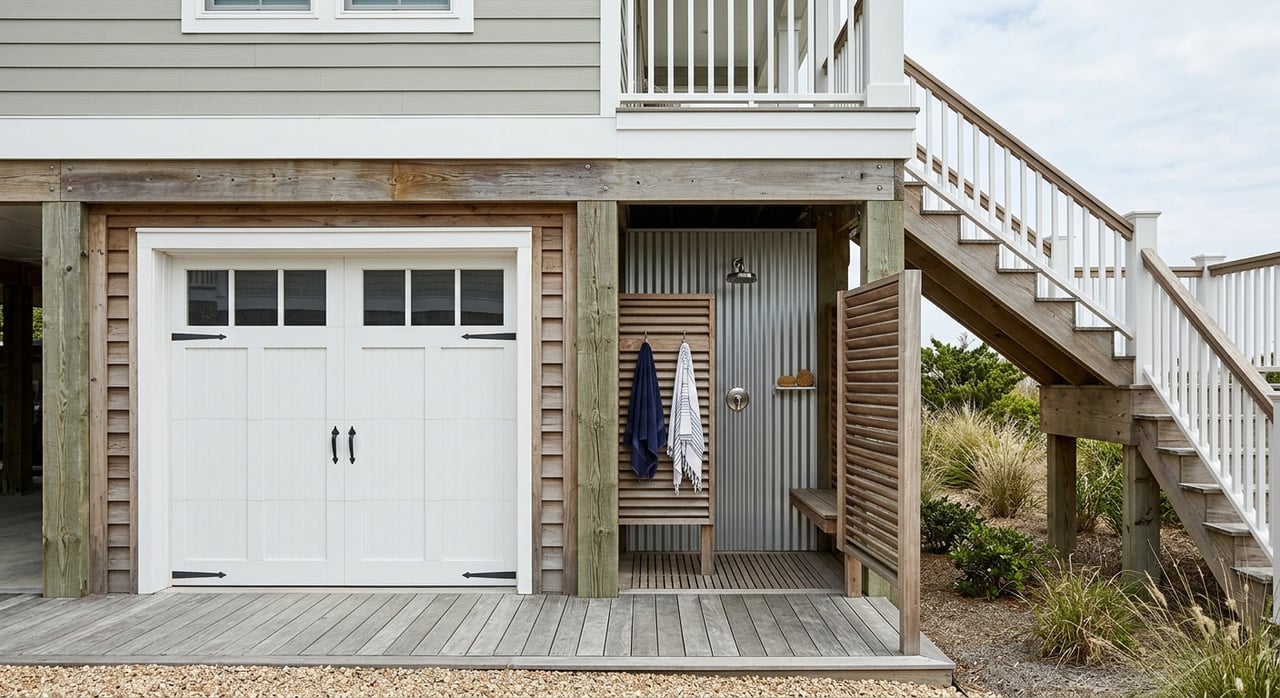
You’ll often trade some square footage for location near the beach or boardwalk. Weigh convenience and rental potential against higher maintenance and possible noise in busy areas. Look closely at parking, storage for beach gear, and outdoor showers.
STR investors and portfolio owners
Income is highly seasonal, with peak weeks in summer. Conservative projections should account for off-season vacancy, cleaning, management, and local taxes or fees. Regulations and license requirements are central to your pro forma, so verify them early.
Neighborhood and property trade-offs
Oceanfront vs bayfront vs inland
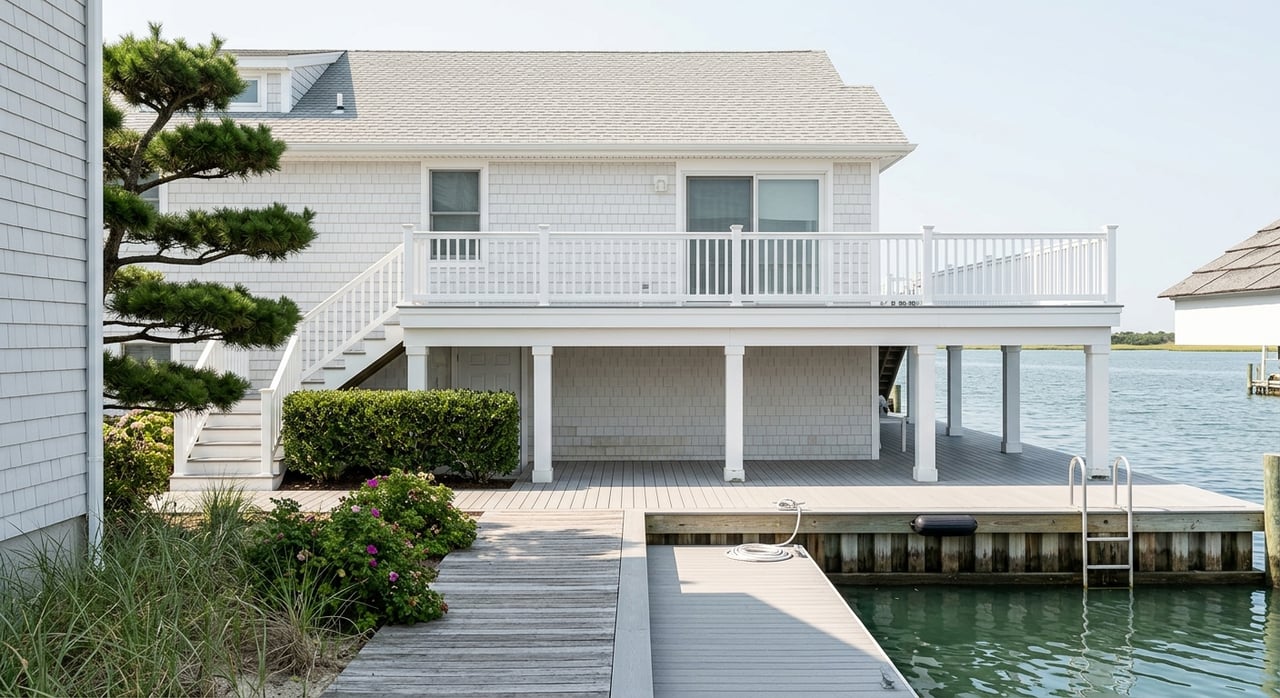
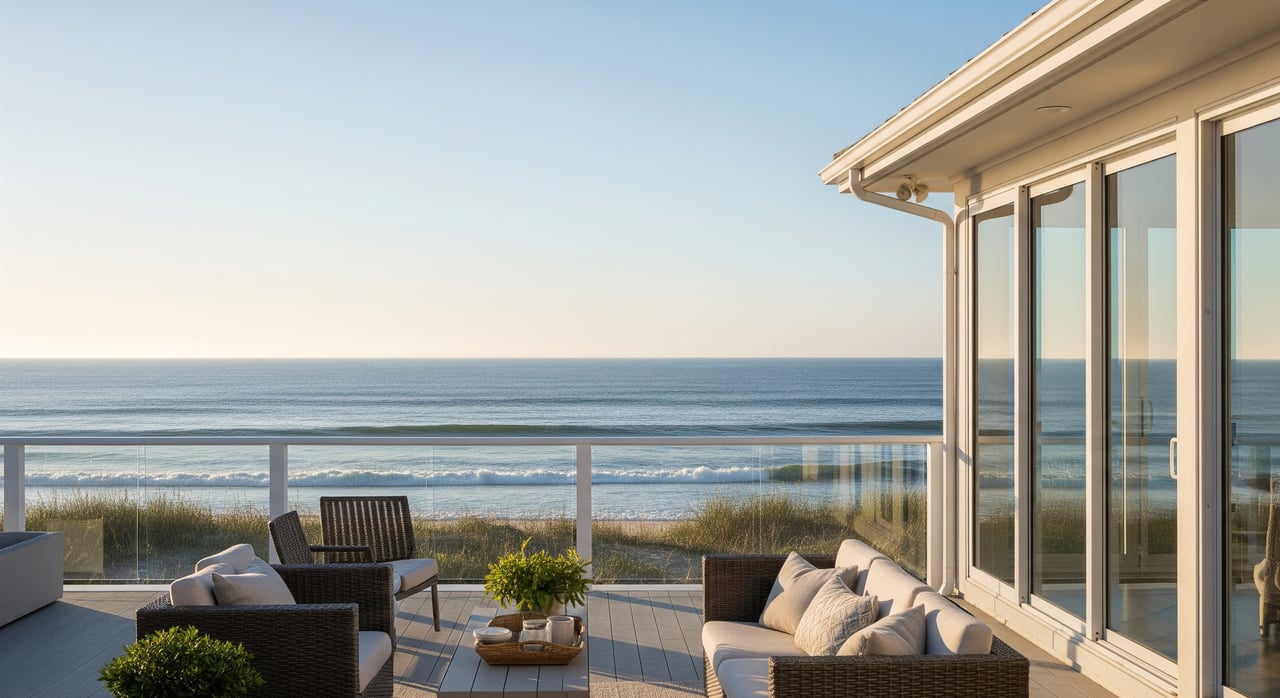
Oceanfront delivers views and immediate beach access, typically at higher purchase and maintenance costs. Bayfront offers boating access and sunset views, with considerations for docks, bulkheads, and wind exposure. Inland locations usually lower insurance costs and pricing, with easier parking and less salt exposure.
Boardwalk premium and trade-offs
Near-boardwalk homes command premium pricing due to tourism access and rental draw. Balance that value with potential noise, foot traffic, and wear. Decide whether your top priority is personal use, rental revenue, or a blend of both.
Older cottages vs newer elevated homes
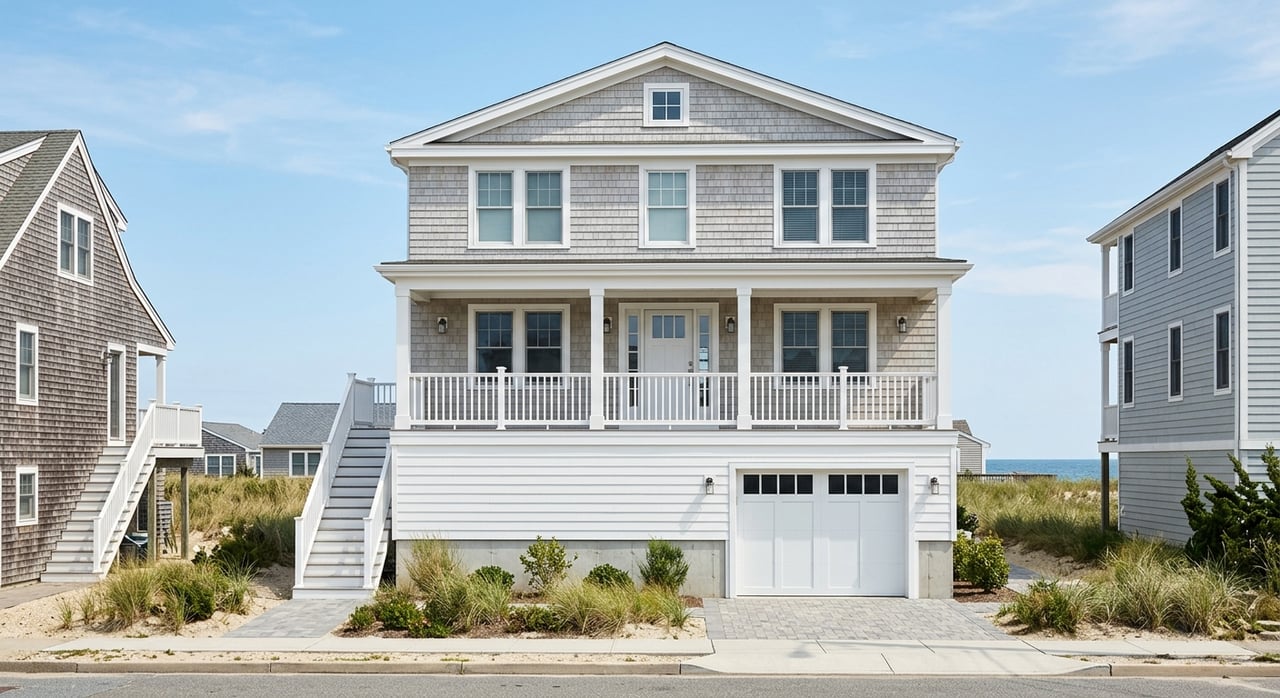
Classic cottages offer charm and desirable lots but may require upgrades to meet current codes. Newer or rebuilt, elevated homes often bring better flood resistance, modern systems, and lower insurance vulnerability. Compare renovation budgets with the benefits of newer construction and elevation.
Smart timing for buyers and sellers
- Spring to early summer: More inventory, more competition, and faster decisions. Buyers should be preapproved and ready to move. Sellers can benefit from heightened visibility and buyer urgency.
- Late summer to fall: Selection remains but begins to thin. Negotiation may improve as summer ends. Inspections and contractor scheduling can be easier than peak season.
- Winter: Fewer listings and showings, but motivated sellers and calmer negotiations. Buyers may secure better terms. Sellers can stand out if photos and marketing showcase the home’s year-round appeal.
Insurance, flood, and resilience basics
- FEMA flood maps and elevation: Check the current flood zone and base flood elevation for the specific parcel. Confirm whether lenders will require flood insurance and what elevation certificate data will be needed.
- Flood insurance options: Compare National Flood Insurance Program policies with private flood carriers. Premiums vary by elevation, construction, and mitigation features.
- Wind and hurricane coverage: Review wind and hurricane deductibles and any coastal restrictions with your insurer. Understand how these affect total monthly costs.
- Building codes and mitigation: Post-Sandy updates influence new builds and major remodels. Ask for permits, elevation certificates, and documentation of flood-resistant construction.
- Local resilience projects: Island dune work, beach nourishment, and shoreline protections can affect perceived risk and long-term planning. Stay current on local initiatives.
The Ocean City coastal purchase checklist
Use this quick list to keep your decision clear and grounded:
- Property basics: Survey, lot coverage, setbacks, height limits, and any variance history.
- Flood review: FEMA map lookup, flood zone, base flood elevation, and elevation certificate.
- Insurance quotes: Flood and wind coverage estimates from coastal-savvy carriers or brokers.
- Storm history: Seller disclosures, drainage patterns, prior claims, and mitigation upgrades.
- Condition and systems: Roof age, exterior materials, HVAC, insulation, plumbing, electric.
- Rental rules: Local registration, occupancy limits, safety requirements, taxes, and minimum stays.
- Financials: Current taxes, HOA or condo fees, expected maintenance, and reserve for storm events.
- Rental underwriting: Conservative income estimates, management and cleaning costs, off-season vacancy.
- Vendor plan: Local inspector, surveyor/elevation certifier, insurance agent, property manager, and contractors.
- Exit and rebuild: Zoning constraints, rebuild options, and documentation for improvements.
Financing, taxes, and carrying costs
Lenders often take a closer look at coastal properties. Expect requests for elevation certificates, insurance proofs, and details about construction or mitigation. This can affect timelines, so start early.
Insurance premiums can materially change monthly affordability. Get preliminary quotes while you shop so you can compare true costs across locations and property types. Factor in wind deductibles and private flood options if available.
Include property taxes, HOA or condo dues, utilities, and seasonal upkeep in your budget. Waterfront ownership can bring added costs for docks or marina access. Build a buffer for storm-related maintenance and periodic exterior work due to salt and wind exposure.
If rentals are part of your plan, remember revenue is seasonal. The strongest weeks cluster in summer, while shoulder and winter months vary. Base your pro forma on conservative assumptions and confirm compliance items before you rely on projected cash flow.
How The Anchor Group helps
Buying or selling at the shore is both a lifestyle decision and a technical exercise. You deserve guidance that blends neighborhood knowledge with clear answers on flood, permitting, and seasonal dynamics. That’s where a local, high-touch team adds real value.
The Anchor Group brings deep Ocean City roots, zoning and permitting fluency, and polished marketing that puts your property’s strengths front and center. Whether you want a waterfront retreat, a year-round residence, or a rental-ready condo, you get patient education, strong negotiation, and trusted referrals to inspectors, surveyors, coastal insurance brokers, and property managers. When you are ready to take the next step, connect with The Anchor Group for local guidance and a strategy built around your goals.
Data and regulations current as of December 2025. Always verify municipal ordinances, FEMA mapping status, and insurance market conditions for your specific property.
FAQs
Do Ocean City buyers need flood insurance?
- If a home is in a mapped Special Flood Hazard Area, most lenders require flood insurance. Even outside those zones, many buyers choose coverage after reviewing elevation, claims history, and risk tolerance.
How does the Ocean City Boardwalk impact value and livability?
- Near-boardwalk homes often command premiums for access and rental demand, with trade-offs for noise, traffic, and maintenance. Match the location to your intended use and comfort level.
Can I operate a short-term rental in Ocean City?
- Possibly, but rules matter. Confirm current local registration, occupancy limits, safety checks, taxes, and any minimum-stay rules before you underwrite income or accept bookings.
When is the best time to buy in Ocean City?
- Spring and summer offer more choices but heavier competition. Fall and winter can bring calmer negotiations and better terms. Align your timing with your needs and financing readiness.
What should year-round Ocean City buyers look for?
- Focus on insulation, heating and cooling, storage, parking, and reliable utilities. Ask about winterization, storm performance, and any upgrades that support off-season comfort.
How do storms affect financing and rebuilding in Ocean City?
- Lenders and insurers will review flood zones, elevation, and mitigation. Building codes, zoning, and documentation guide what can be rebuilt after a loss, so keep records current and accessible.