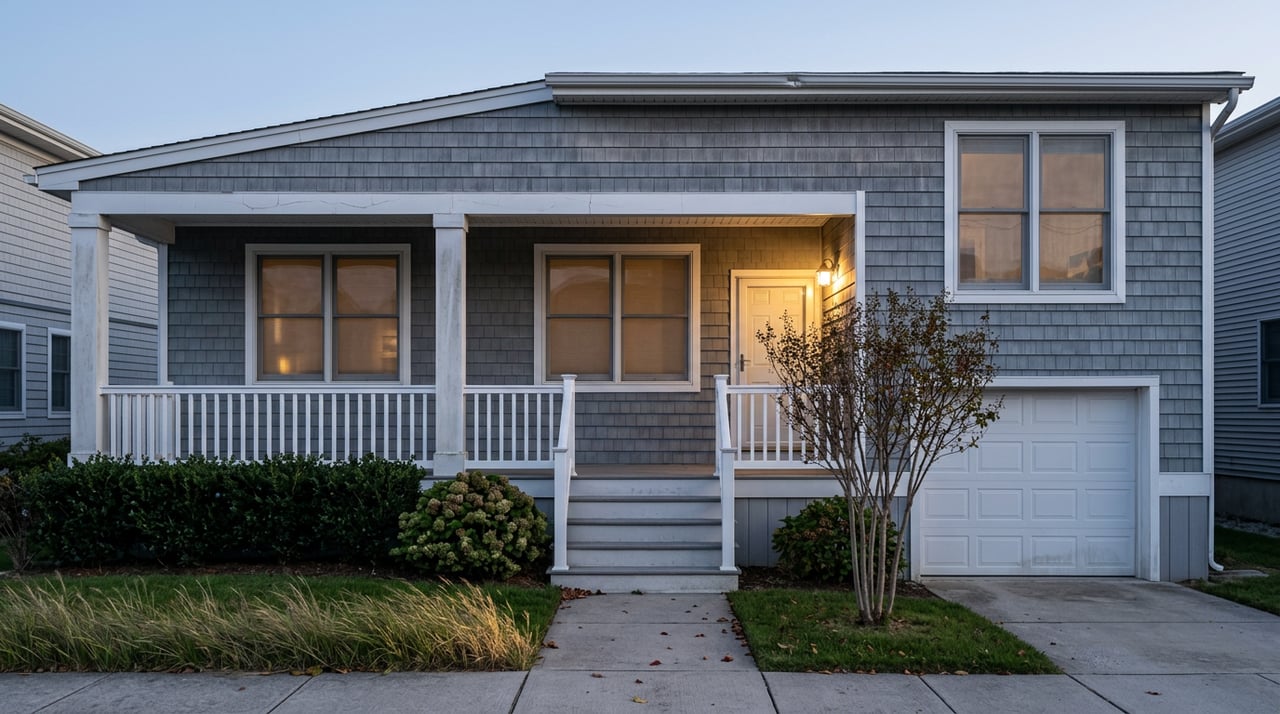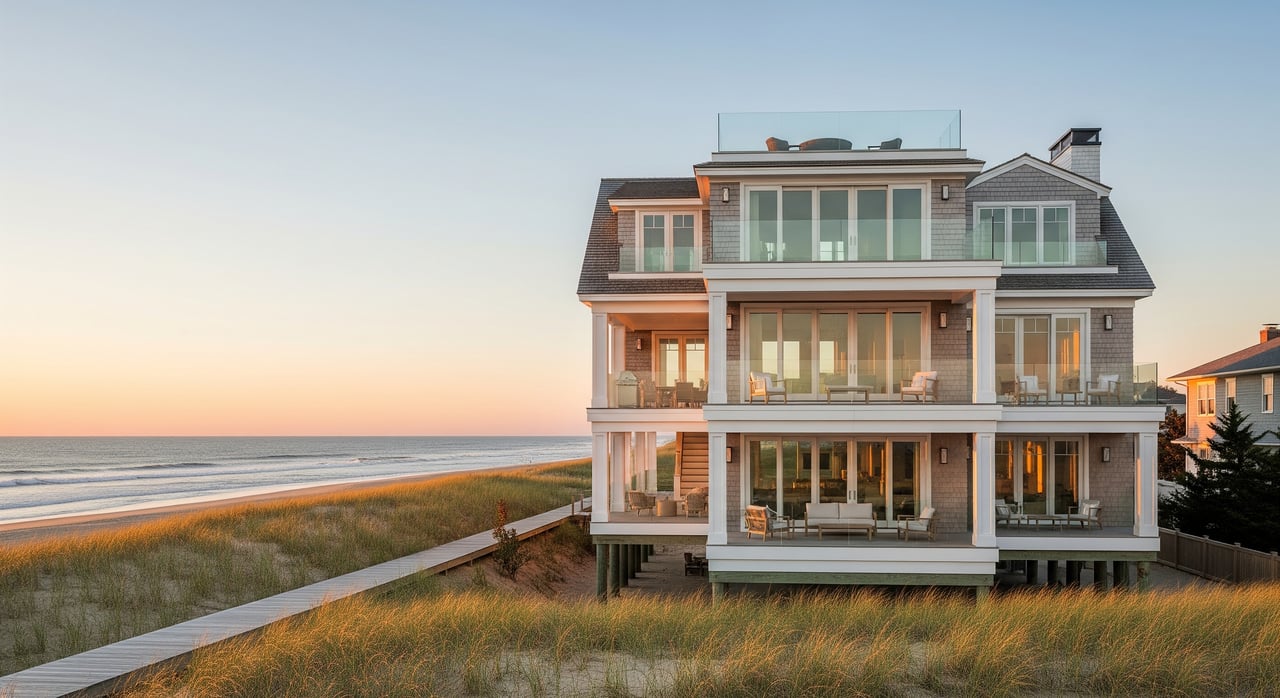
Eyeing a brand-new beach home in Ocean City, NJ? You are not alone. New builds on the island can deliver modern design, strong rental appeal, and peace of mind from current codes. The coastal setting also brings unique rules, risks, and costs that you should understand before you commit. In this guide, you will learn how Ocean City’s regulations work, what to budget, how to structure your contract and financing, and which documents to secure at closing. Let’s dive in.
Why build in Ocean City
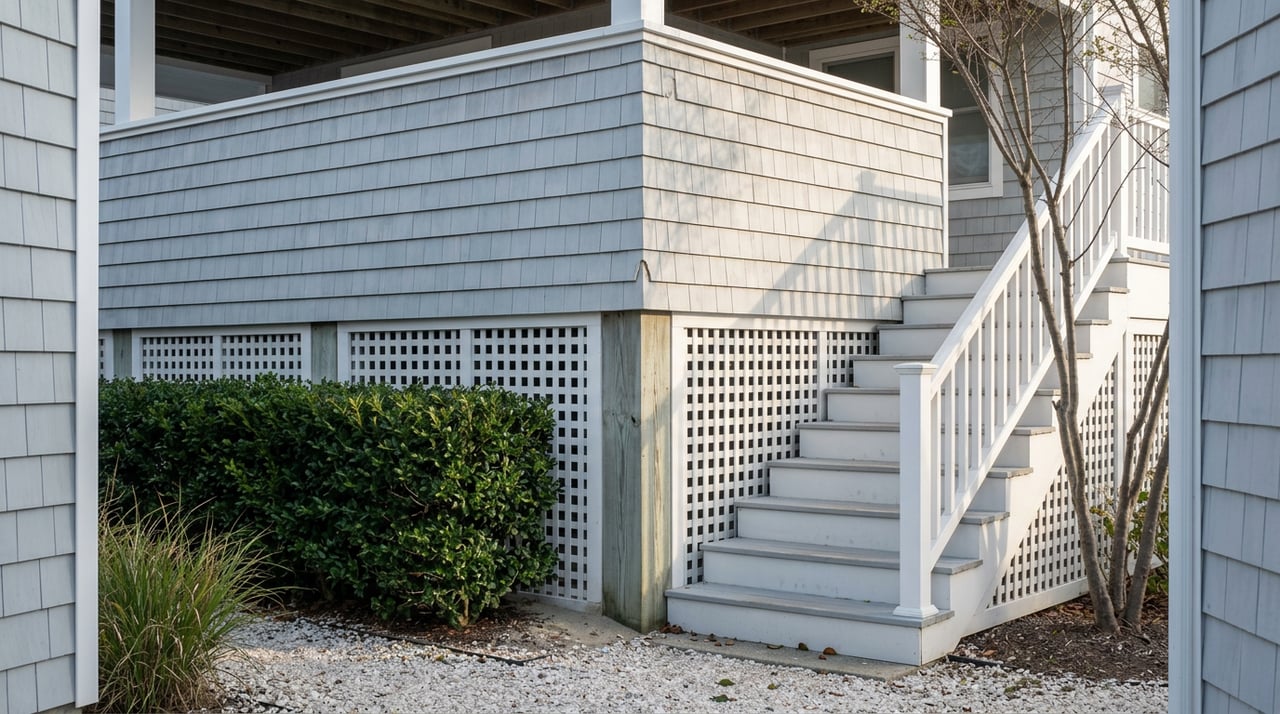
Ocean City is a barrier island with limited land and strong seasonal demand. Many projects are infill builds, tear-down and rebuilds, or elevated homes replacing older structures. You will see single-family homes, townhomes, and custom builds tailored to flood and wind requirements.
Because land is limited, buildable footprints, driveway access, and utility connections can shape design choices. This is normal for barrier islands and part of why new construction here holds long-term appeal.
Know the rules and permits
Building codes and permits
New construction in Ocean City must comply with the New Jersey Uniform Construction Code. You can review state code resources through the New Jersey Department of Community Affairs. Locally, Ocean City’s Building Department handles permits, inspections, and the Certificate of Occupancy. Start by confirming application requirements and department contacts on the official Ocean City website.
Key steps include permit applications, plan review, scheduled inspections, and final CO. If timelines matter for rate locks or rental plans, build clear dates and remedies into your contract.
Coastal and flood requirements
Barrier islands face layered coastal rules. Flood zones and minimum elevations come from FEMA maps, which affect design and insurance. Pull the current flood zone and Base Flood Elevation for your lot through the FEMA Map Service Center. Many Ocean City properties also follow local freeboard requirements above BFE and foundation rules like pilings or open foundations. Confirm exact numbers with the municipal building office.
Projects that touch dunes, wetlands, or tidal areas may need state coastal approvals. The New Jersey Department of Environmental Protection oversees coastal land use programs, including CAFRA. Shoreline protection and dune projects are coordinated with partners like the U.S. Army Corps of Engineers Philadelphia District, which can influence local resilience and long-term planning.
Utilities and site readiness
Verify whether the lot connects to municipal water and sewer or requires private systems. If septic or a well is involved, you will work with county health authorities, contact details available through the Cape May County government. Ask about stormwater capacity, curb cuts, and utility connection fees so you can budget accurately.
Budget coastal costs smartly
Flood, wind, and insurance
If you carry a regulated mortgage, flood insurance is usually required for homes in FEMA Special Flood Hazard Areas. Premiums reflect the flood zone, BFE, and elevation of the lowest floor. Start quotes early and use an elevation certificate from a licensed surveyor to get accurate pricing. For clear guidance, explore the National Flood Insurance Program resources at FloodSmart.
Windstorm coverage is also common on the coast and can be separate from basic homeowners insurance. Replacement-cost estimates often run higher due to elevated foundations and flood-resistant materials. Get multiple quotes and confirm lender requirements.
Elevation and materials
Elevating a home on pilings, using flood-damage resistant materials, and designing for storm loads adds cost but protects long-term value. Ask your builder to break out the elevation system, foundation type, and coastal-grade materials so you can compare bids apples to apples.
Property taxes and reassessment
New construction commonly triggers reassessment. Expect taxes to reflect the full value of the completed home. Ask the tax office about the timeline and how changes flow into billing so you can plan your carrying costs.
How to buy new construction
Choose the right builder
You will typically see three builder models:
- Production builders with standardized plans and cost efficiencies.
- Semi-custom builders who let you tweak layouts and finishes.
- Custom builders for fully tailored homes with more time and budget flexibility.
If the build is tied to a specific lot, confirm who owns the land and whether you will purchase the lot first or buy a lot-and-build package.
Contract must-haves
Get clarity on two documents: the purchase agreement and the construction contract. Spell out the full scope, plans, and specifications. Confirm base price and allowance amounts for finishes such as cabinets, counters, flooring, tile, and lighting. Define how change orders work, including cost approvals and schedule impacts.
Include a reasonable target for substantial completion and how weather or supply delays are handled. Confirm where deposits are held, refund conditions, and if there are any liquidated damages. Make closing contingent on a final CO or a clearly defined temporary CO if needed. Document warranty terms and your remedies if the builder fails to perform.
Smart contingencies
Protect yourself with contingencies where possible. Common ones include satisfactory third-party inspections, a defined punch list process, and financing approval. Tie closing to receipt of a CO and completion of any required approvals. If you are financing construction, be sure the contract supports your lender’s draw and inspection process.
Financing your build
You have several options. A construction-to-permanent loan funds construction and converts to a mortgage at completion. Stand-alone construction loans require a separate permanent mortgage later. If the home is already completed, a conventional mortgage may work. Learn how construction loans and draws work through the Consumer Financial Protection Bureau. Lenders often require an elevation certificate, flood insurance, and a CO for island properties.
Inspections, CO, and warranties
Inspections to schedule
Hire an independent inspector who knows new construction. Plan site visits at key stages: foundation, rough-in, pre-drywall, and final. Municipal inspections will also occur for code compliance. A strong punch list near completion will help you capture small items before closing.
Closeout documents to collect
Before closing, gather the CO or TCO, as-built survey, grading certificate, and the elevation certificate if the property is in a flood zone. Keep copies of permits, inspection records, and approvals. Obtain appliance and system manuals, manufacturer warranties, builder warranty documents, and any HOA documents if applicable.
Warranties that matter
Typical industry practice often includes one-year coverage for workmanship, two-year coverage for systems, and a structural warranty that can extend to ten years. Exact terms are contractual, so read them closely. For general guidance on new-home warranties, review the National Association of Home Builders resources and then confirm what your builder provides in writing.
Step-by-step checklist
Use this quick list to stay organized:
- Confirm lot lines, ownership, easements, and zoning setbacks with the city.
- Pull the current FEMA flood zone and BFE, and plan for local freeboard.
- Ask for an elevation certificate and confirm foundation type and finished-floor elevation.
- Verify municipal water and sewer or secure county approvals for private systems.
- Request the builder’s insurance certificate, recent references, sample contract, and warranty.
- Clarify allowances, upgrade pricing, and the change-order process.
- Set a deposit schedule with escrow protections and refund terms.
- Define the path to a CO, including inspections and punch list items.
- Schedule independent inspections at foundation, rough-in, pre-drywall, and final stages.
- Ask the tax office about reassessment timing and what to expect on your bill.
Ocean City market timing tips
Inventory, pricing, and build timelines change with the seasons in a shore town. For current trends, use trusted local sources like New Jersey REALTORS market reports and the Ocean City municipal site for city updates. If you plan to rent, factor peak-season completion dates into your schedule so you do not miss a prime summer.
When comparing options, look at lot location, elevation, flood zone, and floor plan utility. These details influence both insurance and long-term rental or resale demand.
Work with a local advocate
Buying new construction on a barrier island is rewarding when you plan ahead. The right team helps you translate flood maps and code requirements into a safe design, a strong contract, and a clean closing. You should expect clear communication, contractor and inspector referrals, and proactive coordination with the municipality.
If you are ready to explore lots, builder options, or completed new homes in Ocean City, reach out to The Anchor Group for island-based guidance and a smooth path to the shore.
FAQs
How do I find my flood zone in Ocean City?
- Use the FEMA Map Service Center to look up your property’s flood zone and Base Flood Elevation, then confirm requirements with Ocean City’s building office.
What permits do I need for a new build?
- Ocean City issues local permits and the CO under the New Jersey Uniform Construction Code. Start with the NJ Department of Community Affairs and the Ocean City website for forms and contacts.
Do I need state coastal approvals?
- If your project affects dunes, wetlands, or tidal areas, you may need NJDEP coastal review. Check the NJDEP coastal programs and coordinate with your builder and the city.
How does flood insurance work for new homes?
- Lenders typically require flood insurance in Special Flood Hazard Areas. Premiums depend on elevation, flood zone, and construction details. See FloodSmart for NFIP guidance and get quotes early.
What loan works for new construction at the shore?
- Many buyers use construction-to-permanent loans that fund draws during the build and convert at completion. For an overview of how these loans work, visit the CFPB guide.
What documents should I have before closing?
- Collect the CO or TCO, as-built survey, grading and elevation certificates, permit records, builder and manufacturer warranties, and any HOA documents.
Are there shoreline projects that affect my property?
- Ocean City participates in beach nourishment and dune work with partners like the U.S. Army Corps of Engineers Philadelphia District. These projects support resilience and can shape local guidance on construction.